Are You Unsure Whether PVC Insulation Is the Right Choice for Your Electrical Cable Projects?
Are you a contractor, distributor, or equipment buyer wondering whether PVC insulation is suitable for your electrical Kabel applications? Many buyers struggle to select the correct insulation material because poor insulation can lead to overheating, electrical leakage, or reduced cable lifespan. In large power or construction projects, choosing the wrong material can result in costly maintenance and safety risks. The solution is understanding how PVC (Polyvinyl Chloride) works and selecting products from a reliable Hersteller und erfahren Anbieter. With more than 30 years of industry expertise, QRUNNING provides high-quality and customizable cable insulation solutions designed for durability, safety, and stable electrical performance. As a trusted global Großhändler, we combine strict quality control, advanced production lines, and international supply capabilities to support demanding infrastructure and electrical distribution projects.
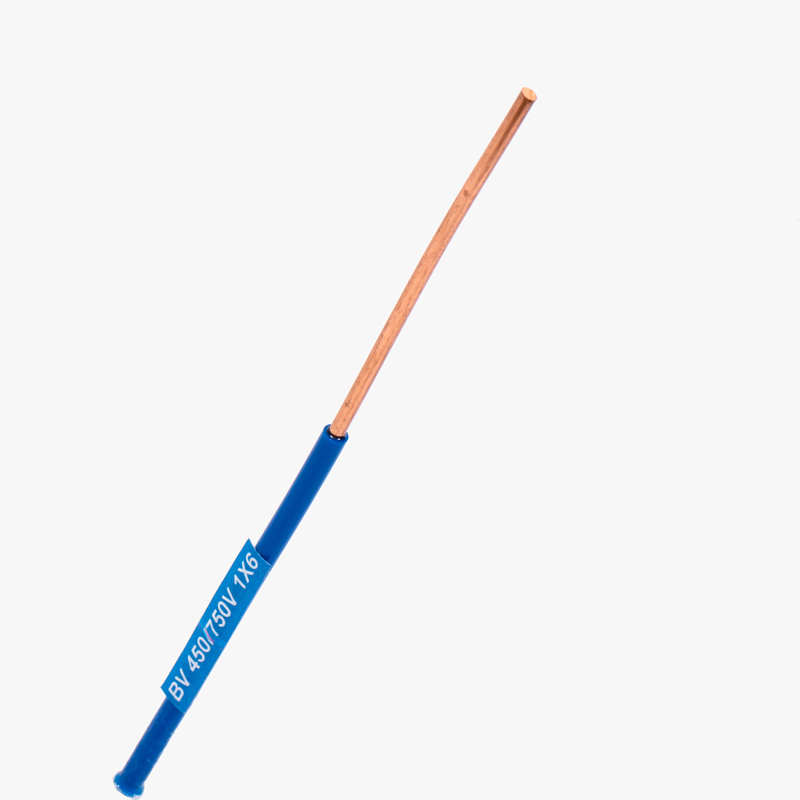
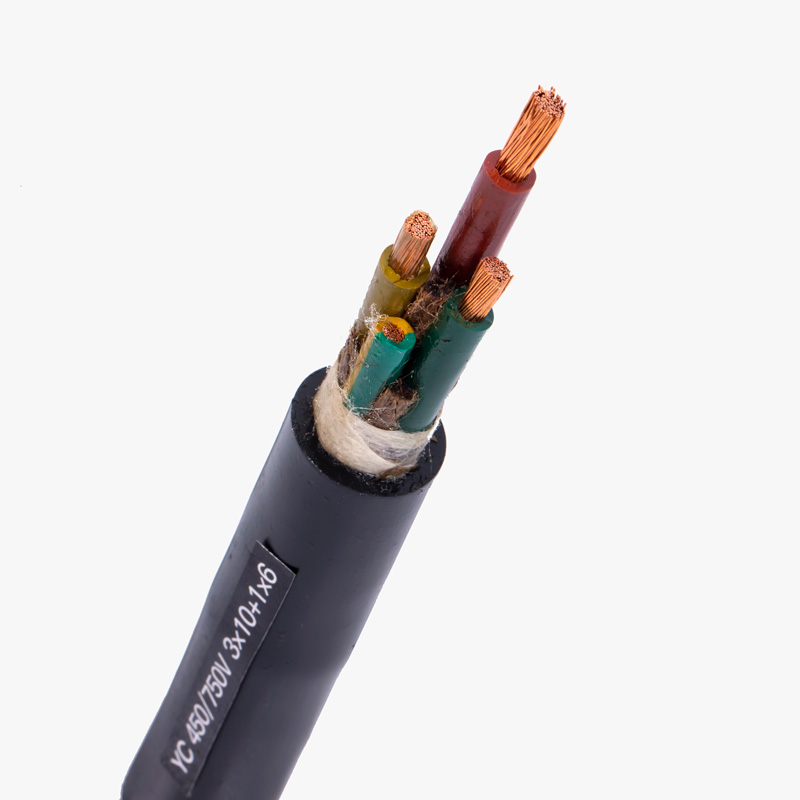
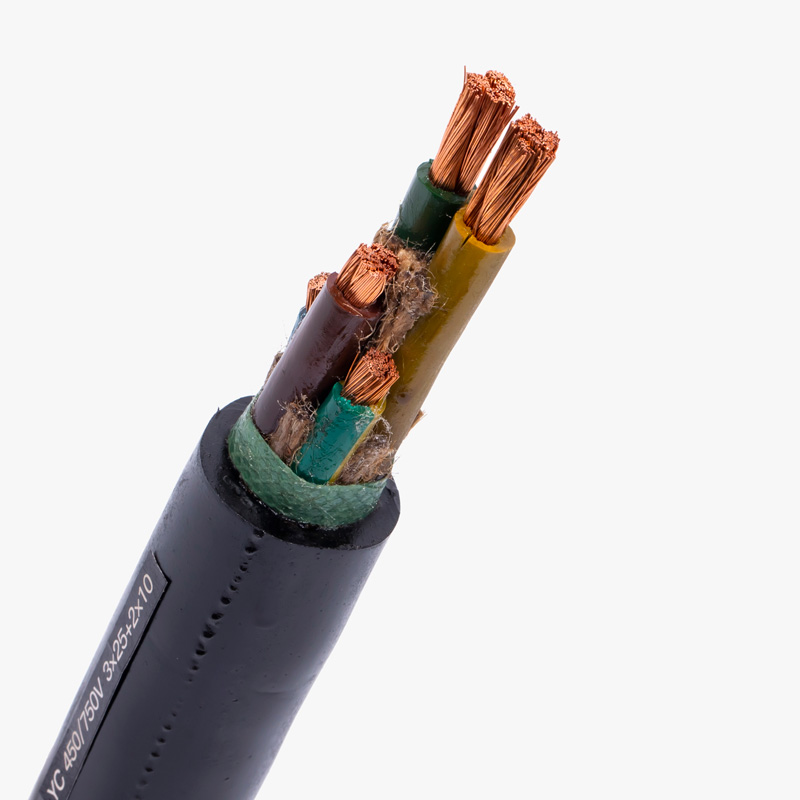
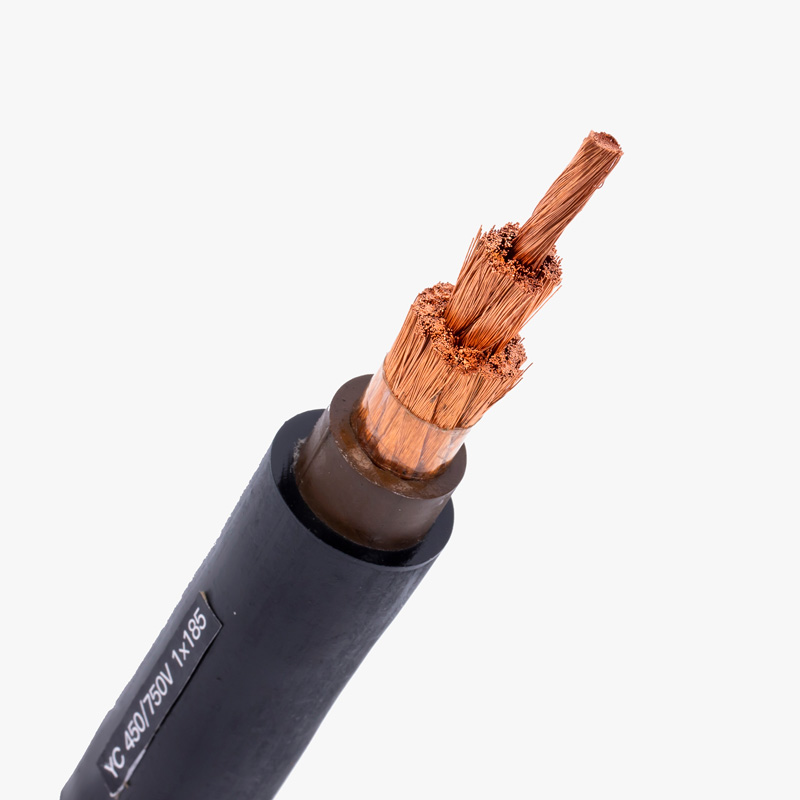
PVC insulation is a protective layer made from Polyvinyl Chloride that surrounds electrical Kabel to prevent electrical leakage, mechanical damage, and environmental exposure. It is widely used because it offers durability, flexibility, affordability, and reliable electrical insulation, making it a popular material for power distribution and industrial wiring systems.
To better understand why this material is widely used in electrical systems, it is helpful to explore how PVC cable insulation works, why manufacturers rely on it, and what advantages or limitations it may have.
Was ist PVC-Drahtisolierung?
Definition und grundlegende Struktur
PVC-Drahtisolierung bezieht sich auf eine Schutzbeschichtung aus Polyvinyl Chloride die den Leiter eines elektrischen Systems umgibt. Kabel. Diese Schicht verhindert, dass Elektrizität den Leiter verlässt, während sie das Kabel vor Feuchtigkeit, Chemikalien und mechanischem Verschleiß schützt. Da elektrische Systeme häufig in herausfordernden Umgebungen betrieben werden, sind hochwertige insulation Materialien entscheidend für die Aufrechterhaltung von Sicherheit und konsistenter Leistung.
Die Isolierschicht wird typischerweise während des Kabelherstellungsprozesses durch Extrusionstechnologie aufgebracht. Der geschmolzene PVC Stoff wird gleichmäßig um den Leiter beschichtet, wodurch eine glatte und langlebige Schutzschicht entsteht. Fachleute Hersteller steuern sorgfältig Temperatur, Dicke und Materialzusammensetzung, um sicherzustellen, dass jeder Kabel den Industriestandards für Isolationswiderstand und mechanische Festigkeit entspricht.
Anwendungen in elektrischen Systemen
Aufgrund seiner Vielseitigkeit, PVC insulation wird häufig in der Gebä Verkabelung, industriellen Anlagen, Niederspannungskabeln und Steuerungssystemen eingesetzt. Viele Auftragnehmer und Händler ziehen es vor, von einem zuverlässigen Anbieter oder internationalen Großhändler zu beziehen, die anpassbar Spezifikationen bereitstellen können, die zu verschiedenen Spannungsstufen, Leitergrößen und Installationsumgebungen passen.
Als erfahrener Hersteller in der Energiekabelindustrie wendet QRUNNING strenge Produktionsstandards und fortschrittliche Testmethoden an, um sicherzustellen, dass jedes isolierte Kabel stabile Leistung, Langlebigkeit und langfristige Sicherheit für globale Infrastrukturprojekte gewährleistet.
Why Is PVC Used for Cable Insulation?
Excellent Electrical Insulation Performance
One of the primary reasons PVC is used in cable production is its strong electrical insulation properties. Polyvinyl Chloride effectively prevents electrical current from escaping the conductor, which reduces the risk of short circuits and improves overall system safety. This makes it an ideal material for many low- and medium-voltage cable insulation applications.
Durability and Environmental Resistance
Another important advantage is the durability of PVC insulation. It provides resistance against moisture, oils, chemicals, and physical abrasion. Electrical cables installed in industrial environments, construction sites, or outdoor infrastructure must withstand harsh conditions, and PVC performs well in these situations.
For international buyers, working with a professional Anbieter ensures that the insulation materials meet required quality standards. Leading Hersteller often provide customizable cable designs that adapt to different climate conditions, installation methods, and regulatory requirements.
Cost Efficiency and Manufacturing Flexibility
Compared with some advanced insulation materials, Polyvinyl Chloride is relatively cost-effective. Its manufacturing process is stable and scalable, allowing large-volume production without significantly increasing cost. This affordability makes PVC-isoliertes Kabel a popular choice for wholesalers, distributors, and contractors managing large projects.
Vorteile und Nachteile von PVC-Isolierung
Hauptvorteile der PVC-Kabelisolierung
PVC insulation bietet mehrere Vorteile, die es in der Elektrobranche weit verbreitet machen. Erstens bietet es zuverlässige elektrische Isolierung, die eine sichere Stromübertragung innerhalb des gewährleistet. Kabel. Zweitens hat es eine ausgezeichnete Flexibilität, die es ermöglicht, dass Kabel während der Installation gebogen und angepasst werden können. Drittens ist das Material korrosions-, feuchtigkeits- und vielen Industriechemikalien beständig.
Zusätzlich, PVC kann leicht modifiziert werden, indem Stabilisatoren, Weichmacher und flammhemmende Additive hinzugefügt werden. Dies ermöglicht es Hersteller zu produzieren anpassbare Isolierung die spezifische Sicherheitsstandards, Brandschutzanforderungen oder Umweltbedingungen erfüllt. Für großangelegte Infrastrukturprojekte sorgt die Beschaffung von einem erfahrenen Großhändler oder globalen Anbieter für konsistente Qualität und zuverlässige Lieferung.
Mögliche Einschränkungen der PVC-Isolierung
Trotz ihrer Vorteile hat, Polyvinyl Chloride auch einige Einschränkungen. Im Vergleich zu bestimmten fortschrittlichen Isoliermaterialien, PVC kann eine niedrigere Temperaturbeständigkeit aufweisen und in extremen Hochtemperaturumgebungen möglicherweise nicht so gut abschneiden. In Hochspannungs- oder spezialisierten Anwendungen können manchmal andere Isoliermaterialien bevorzugt werden.
Die kontinuierliche Innovation in der Materialformulierungen hat jedoch die Leistung der modernen PVC cable insulation. führend Hersteller entwickeln jetzt verbesserte Verbindungen, die die Temperaturbeständigkeit, Flexibilität und Umweltstabilität erhöhen und das Material für eine breitere Palette von elektrischen Anwendungen geeignet machen.
Schlussfolgerung
PVC insulation bleibt eines der am häufigsten verwendeten Materialien für elektrische Kabel aufgrund seiner Haltbarkeit, Wirtschaftlichkeit und zuverlässigen Isolierleistung. Eine Partnerschaft mit einem vertrauenswürdigen Hersteller, Anbieter, oder globalen Großhändler gewährleistet den Zugang zu hochwertigen und anpassbar Kabellösungen.