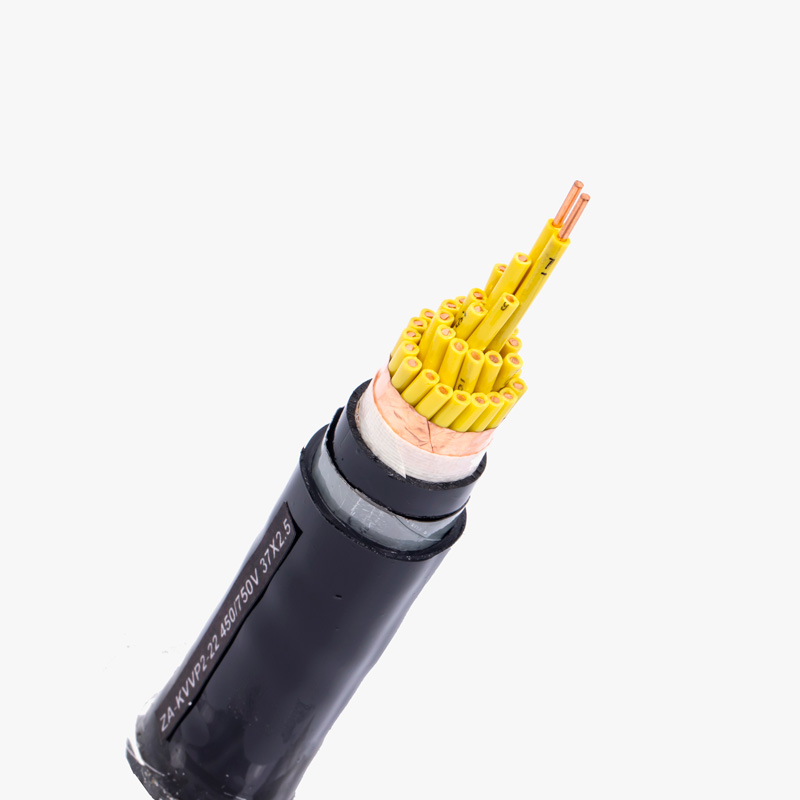
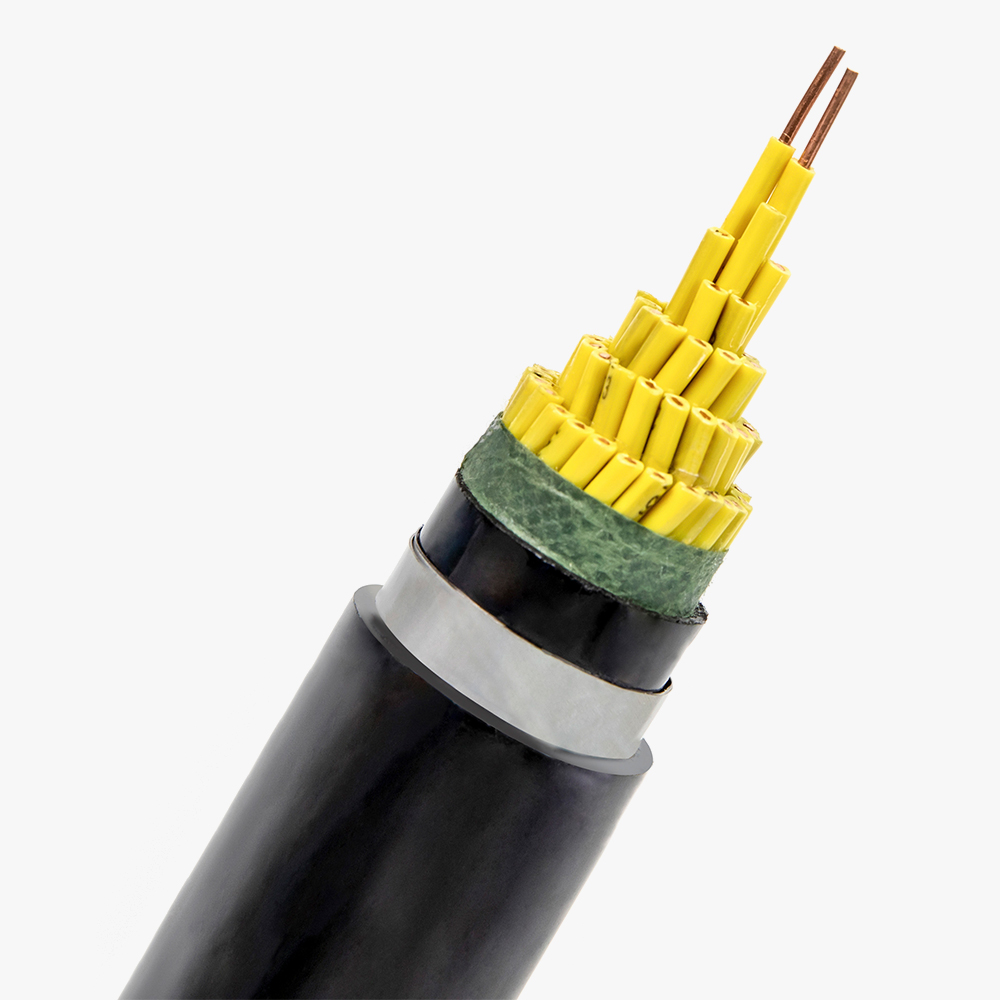
What is PVC Insulation Control Cable?
PVC Insulation Control Cable is a multi-core cable designed for signal transmission and monitoring in power systems, automation lines, and industrial machinery. Its PVC insulation provides strong resistance to moisture, abrasion, and chemicals. As a dedicated Manufacturer and Wholesaler, we supply customisable structures including copper conductor types, shielding options, and voltage ratings, ensuring long-term stability for control circuits in factories, substations, and engineering projects.
How to Select the Appropriate PVC Insulation Control Cable
Choosing the right PVC Insulation Control Cable involves checking conductor size, shielding type, insulation grade, and project standards. Buyers should match cable specifications with load requirements, interference levels, installation environment, and certification needs. Working with a reliable Supplier or Manufacturer helps avoid mismatches and ensures fully customisable solutions suitable for construction engineering, power distribution, and automation systems.
FAQ
What are the common classifications of PVC Insulation Control Cable?
KVV (unshielded), KVVP (copper wire shielding), KVVP2 (double shielding), KVVR (flexible type), and KVVP22 (steel tape armoured). These types support different installation environments and interference levels.
What are the advantages?
It offers excellent insulation performance, chemical resistance, stable signal transmission, and cost-effective installation. Widely trusted by factories, contractors, and engineering companies.
What is a disadvantage of using PVC as a cable insulation material?
PVC insulation has lower heat resistance compared with XLPE, making it less suitable for high-temperature applications and requiring careful temperature planning.
What is a PVC insulated cable?
It is a cable using polyvinyl chloride as the insulation layer to protect conductors, ensuring electrical safety and mechanical durability in control and power circuits.
Is PVC Insulation Control Cable suitable for outdoor installation?
Yes, but only with proper armouring or protective sheathing. Outdoor use should match environmental requirements regarding moisture, sunlight, and mechanical strength.