Are You Choosing the Right Supplier for Your Single-Core Cables?
Are unreliable delivery, inconsistent quality, or unclear certification putting your electrical projects at risk? For buyers, contractors, and distributors, choosing the wrong single-core cable supplier can lead to installation problems, project delays, unexpected costs, and customer complaints. These issues often come from weak quality control, limited production capacity, or suppliers who cannot provide dependable technical support. The solution is to work with an experienced Manufacturer and Wholesaler with proven production capabilities. QRUNNING offers over 30 years of cable manufacturing experience, 10 production lines, a production capacity of 200 million meters, and OEM & ODM services for international buyers.
A reliable single-core cable supplier should provide consistent conductor quality, suitable insulation, verified certifications, stable production capacity, competitive wholesale pricing, and dependable delivery. An experienced manufacturer can also offer customizable specifications, OEM/ODM services, technical support, and quality control throughout production to meet different project and market requirements.
Understanding what makes a supplier reliable—and how cable design affects installation—can help international buyers make better purchasing decisions and reduce avoidable project risks.
Single-Core Cable Supplier
When sourcing single-core cables, buyers should look beyond the quoted price. A professional Supplier needs to demonstrate control over raw materials, conductor production, insulation quality, testing, packaging, and delivery. This is particularly important for wholesalers, electrical distributors, construction companies, and power engineering contractors purchasing cables for large projects. A supplier with limited manufacturing resources may struggle to maintain consistent quality when order volumes increase, while an established Manufacturer can usually provide stronger production control and more stable lead times.
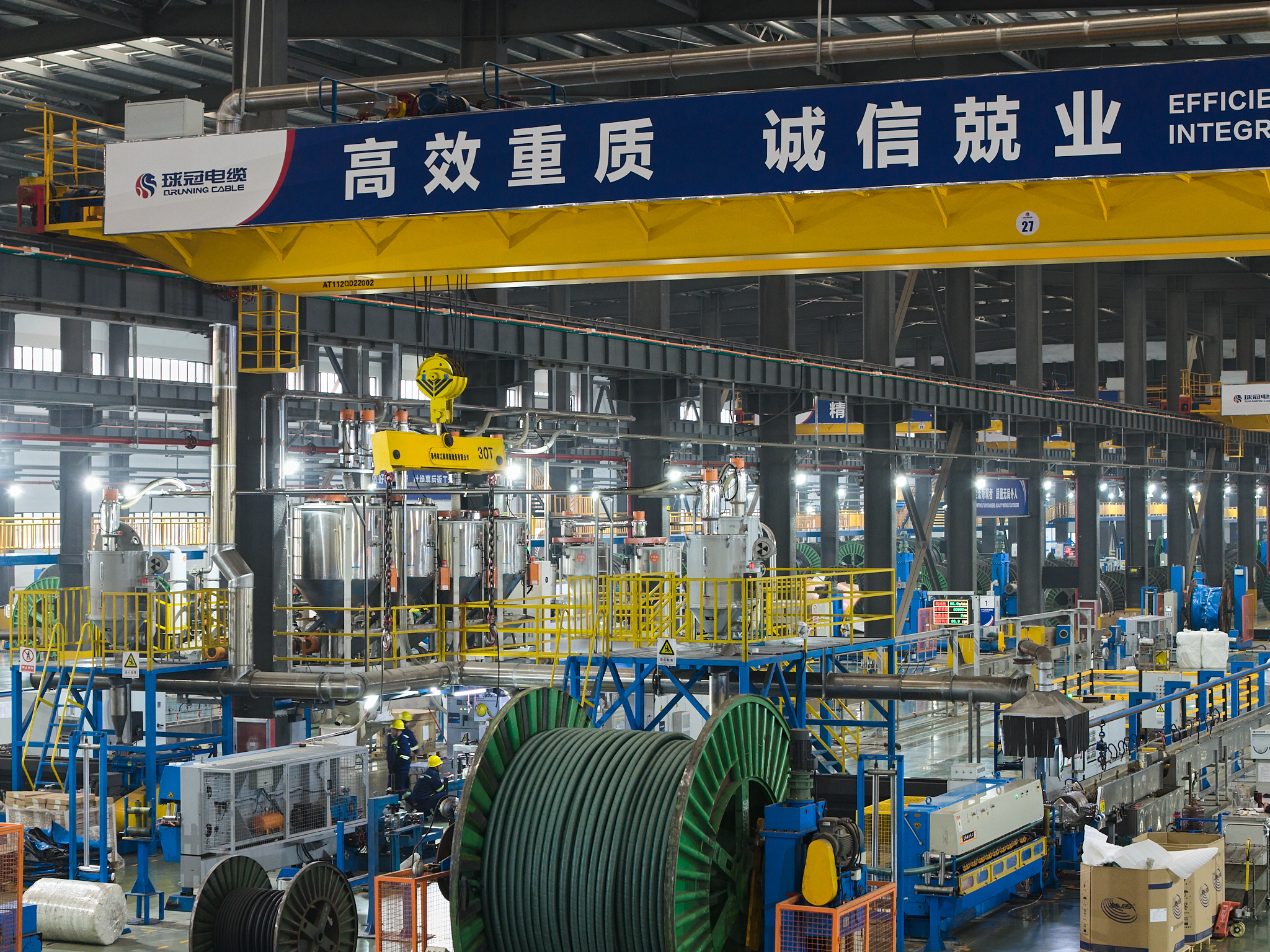
QRUNNING has more than 30 years of experience in the electric cable industry and operates a factory equipped with 10 production lines. Its total production capacity reaches approximately 200 million meters, supporting large-volume wholesale orders for international markets. Depending on the application, buyers can discuss conductor materials, insulation types, voltage ratings, conductor sizes, colors, packaging, and other specifications. This makes the product range Customizable for different engineering and commercial requirements.
What Should Buyers Check?
International buyers should evaluate several factors before selecting a single-core cable supplier. First, confirm the cable’s technical specifications and ensure they match the intended voltage, installation environment, and applicable standards. Second, ask about production and testing procedures rather than relying only on product photographs or brochures. Third, verify certificates and testing documentation through appropriate channels, especially when cables are being purchased for bidding or major infrastructure projects. Finally, evaluate production capacity, packaging, payment terms, logistics support, and communication efficiency. A dependable Wholesaler or Manufacturer should be able to provide clear documentation and consistent information throughout the purchasing process.
How Is the Bending Radius of a Single-Core Cable Calculated?
The bending radius determines how tightly a cable can be bent without creating excessive mechanical stress or potentially damaging its insulation, conductor, or other components. For single-core cables, the minimum bending radius is generally expressed as a multiple of the cable’s overall outside diameter. A simplified calculation is: minimum bending radius = cable outside diameter × specified bending-radius factor. For example, if a cable has an outside diameter of 30 mm and the applicable requirement is 12 times the diameter, the calculated minimum bending radius would be 360 mm. However, the exact factor depends on the cable construction, insulation, voltage class, installation method, and applicable standard.
Why Does Bending Radius Matter?
Using a bending radius that is too small can place excessive stress on cable components. During installation, sharp bends may affect insulation integrity, conductor arrangement, or the long-term mechanical performance of the cable. This is especially relevant for power cables installed in conduits, cable trays, trenches, or other restricted spaces. Buyers should therefore confirm the manufacturer’s specified minimum bending radius instead of relying solely on a general formula. A professional Supplier can provide the relevant technical data sheet and installation recommendations. For customized orders, the bending requirements should also be discussed before production so the selected cable construction is suitable for the intended application.
Single-Core Cable vs. Multi-Core: What Are the Differences?
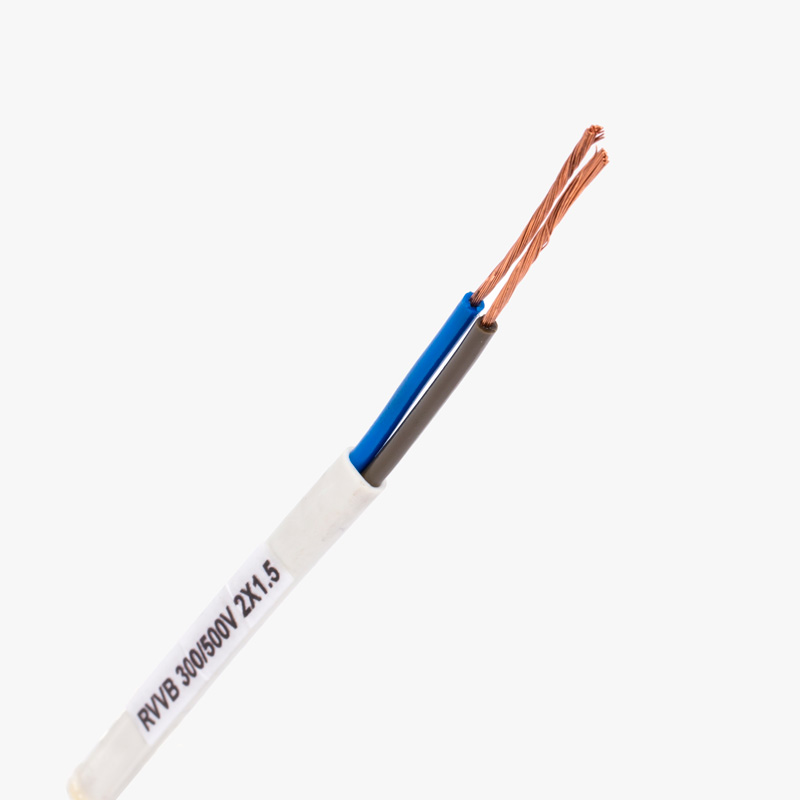
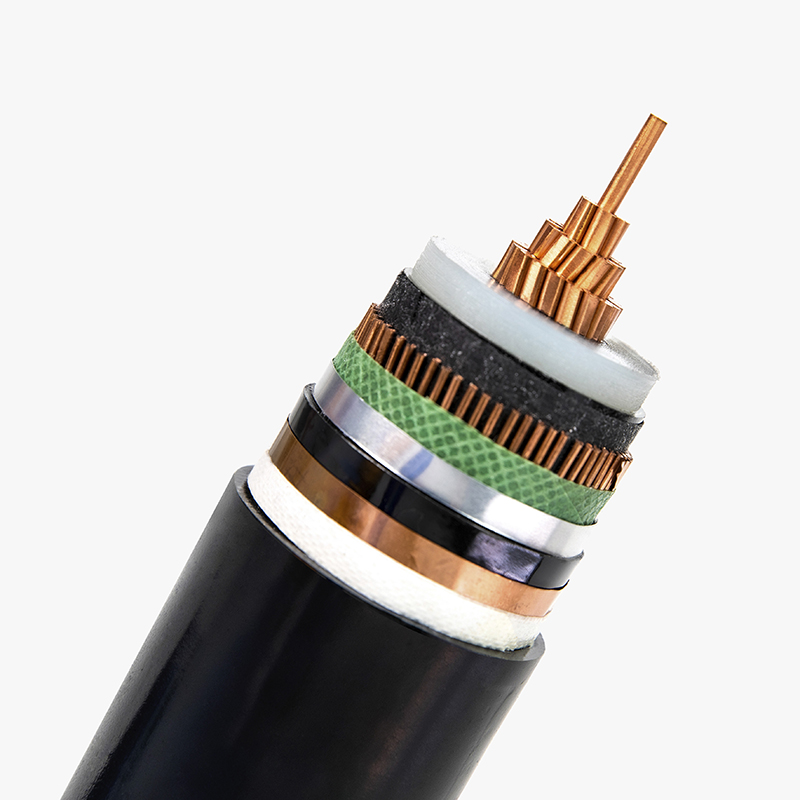
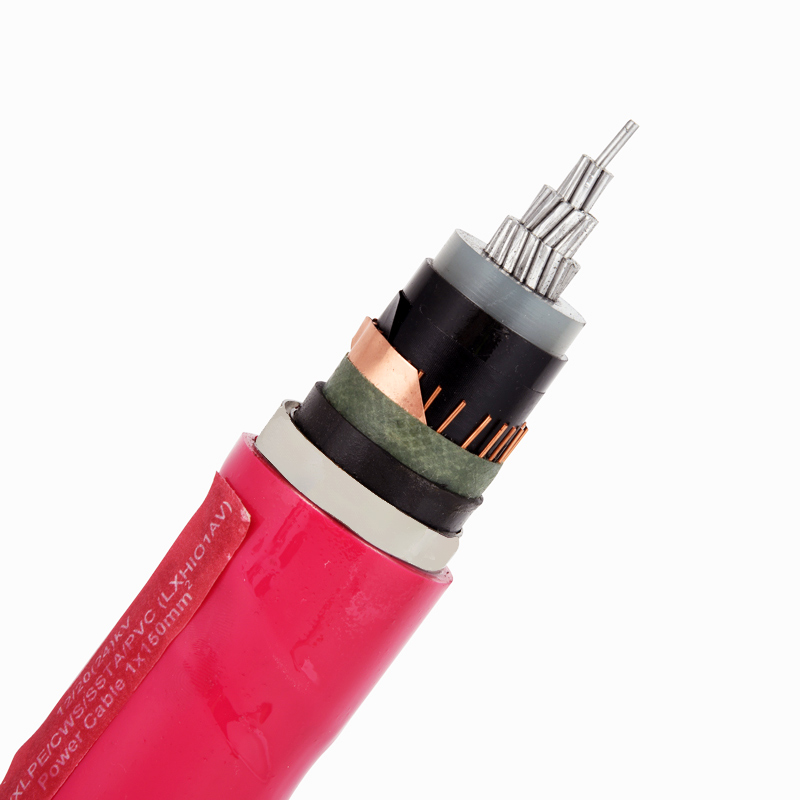
The primary difference between single-core cables and multi-core cables is the number of insulated conductors contained within the cable arrangement. A single-core cable contains one conductor, while multi-core cables contain two or more insulated conductors within a common cable structure. Single-core designs are frequently used in power distribution systems where individual conductors are installed separately, particularly for applications requiring large conductor sizes or specific installation configurations. Multi-core cables can combine several circuits or conductors into one cable, potentially simplifying cable routing and installation where their construction is appropriate.

Choosing Between Single-Core and Multi-Core Cables
The appropriate choice depends on voltage, current, installation method, available space, project design, and local requirements. Single-core cables can be practical for high-current applications and installations where individual phase conductors are preferred. They may also provide greater flexibility in arranging large conductors during installation. By contrast, multi-core cables can reduce the number of separate cables that need to be handled when several conductors are required together. However, cable size, heat dissipation, bending requirements, installation conditions, and applicable standards must all be considered. For international projects, buyers should provide the Manufacturer with detailed technical requirements before requesting a quotation.
Why Work With an Experienced Manufacturer?
For B2B buyers, the supplier’s manufacturing capability can be as important as the cable specification itself. QRUNNING supports international customers with large-scale production, OEM & ODM capabilities, and Customizable cable solutions. Its experience serving overseas markets helps buyers address practical sourcing requirements such as quality control, documentation, packaging, logistics, and project-based specifications. Whether the requirement is for standard single-core cables or customized multi-core cables, working directly with an experienced Manufacturer can create a clearer communication process and support stable supply for wholesale, distribution, construction, and power engineering projects.
Conclusion
Choosing the right single-core cable supplier requires attention to quality, technical specifications, production capacity, certification, delivery, and customization. An experienced Manufacturer can provide stronger support for demanding international B2B cable projects.