Are You Struggling to Find Reliable High Cable Solutions for High-Voltage Power Projects?
Are you a contractor, distributor, or power project buyer wondering why choosing the right high cable for high-voltage systems feels so complicated? Many companies face delays, safety risks, and expensive maintenance because the HV cable they purchase lacks stable insulation, verified certification, or consistent quality control. These issues can lead to energy loss, system failures, or even shutdowns in critical power infrastructure. The solution lies in partnering with a reliable Manufacturer and Supplier that truly understands high-voltage transmission technology. With more than 30 years of experience and large-scale production capacity, QRUNNING provides customizable HV cable solutions up to 500kV. As a trusted global Wholesaler, we combine strict quality inspection, OEM/ODM capabilities, and efficient international logistics to ensure every high cable meets demanding power grid standards.
High-voltage transmission uses specially engineered HV cable designed to carry electricity over long distances with minimal energy loss. Despite appearing thin, these cables rely on advanced insulation, conductive materials, and optimized voltage levels. Choosing the right high cable Manufacturer and Supplier ensures safety, efficiency, and long-term performance in power distribution systems.
Understanding how high cable systems work helps buyers select the right products for their projects. The following sections explain the engineering principles and key selection factors behind modern HV cable technology.
Why Are High Voltage Power Line Cables So Thin?
The Relationship Between Voltage and Current
Many people are surprised that overhead high-voltage power lines often look relatively thin compared with low-voltage distribution cables. The reason lies in the relationship between voltage and current. When electrical power is transmitted at higher voltage levels, the required current decreases significantly. Lower current means less heat generation and reduced energy loss during transmission. Because of this principle, engineers can design HV cable conductors with optimized diameters while still delivering massive amounts of electricity efficiently.
Advanced Materials and Engineering Design
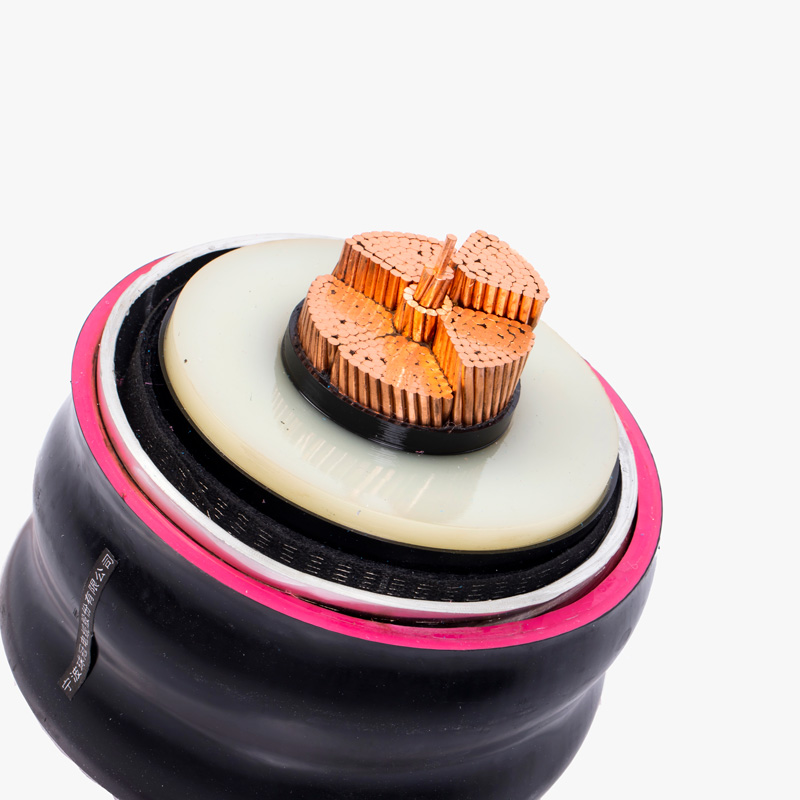
Modern high cable designs use high-conductivity aluminum or copper conductors combined with advanced insulation materials such as cross-linked polyethylene (XLPE). These materials provide excellent electrical resistance, thermal stability, and durability under extreme conditions. As a professional Manufacturer and global Supplier, QRUNNING integrates strict material testing and automated production lines to ensure every HV cable maintains consistent conductivity and insulation integrity.
Efficiency in Long-Distance Power Transmission
High-voltage transmission systems are designed to move electricity across hundreds or even thousands of kilometers. By using thinner but highly efficient conductors and operating at extremely high voltages, power companies can significantly reduce transmission losses. This is why selecting a reliable Wholesaler that offers certified and customizable high cable products is essential for large infrastructure and power grid projects.
How Do High Voltage Power Lines Work?
Step-Up Transmission Technology
Electricity generated at power plants typically starts at a moderate voltage. Before it travels through long-distance transmission networks, transformers increase the voltage dramatically. This process is known as step-up transformation. Once the voltage rises to high levels—sometimes hundreds of kilovolts—the electricity flows through HV cable systems or overhead lines with reduced current and minimal energy loss.
The Role of Insulation and Protective Layers
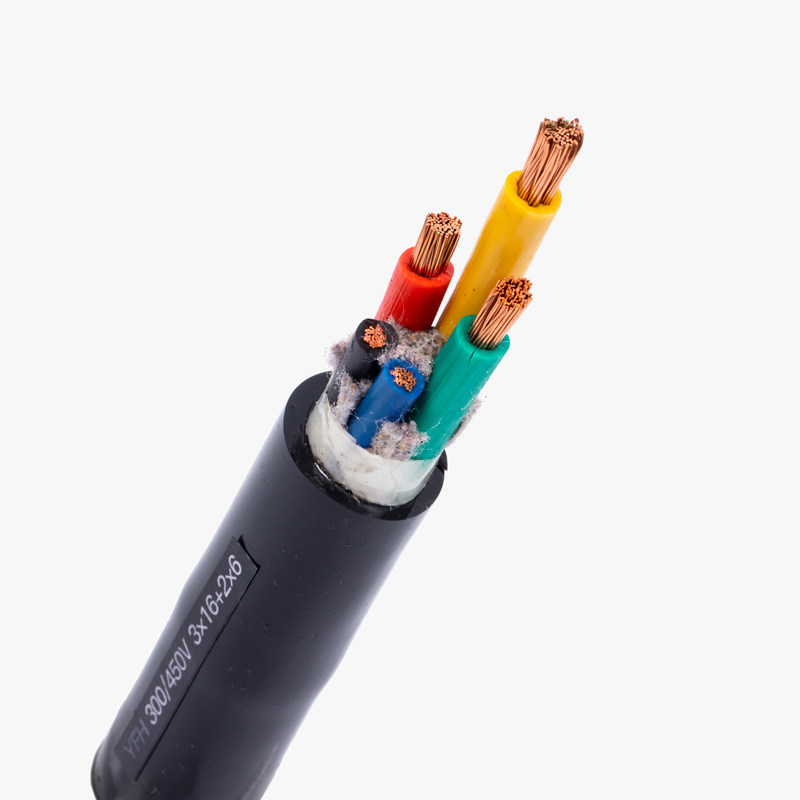
A high-quality high cable is more than just a conductor. It includes several engineered layers such as conductor shielding, insulation, metallic screens, and protective outer sheaths. These layers protect the cable from electrical leakage, mechanical damage, and environmental factors. A professional Manufacturer carefully designs each layer to meet international safety and performance standards.
As a leading Supplier in the power cable industry, QRUNNING produces HV cable systems capable of supporting complex power grids, industrial infrastructure, and national energy projects. Our cables are built for reliability, stable conductivity, and long service life.
How Do We Select Cables for High Voltage?
Voltage Rating and System Requirements
The first step in selecting a suitable high cable is determining the voltage level required for the project. Different power networks require cables rated for specific voltage ranges, such as 110kV, 220kV, or even 500kV systems. A professional Supplier will evaluate load capacity, installation environment, and safety standards before recommending the appropriate HV cable.
Quality Certification and Production Capability
For international buyers, certification and manufacturing capacity are critical considerations. A reliable Manufacturer must provide verified quality standards, consistent production processes, and the ability to deliver large volumes on schedule. With 10 advanced production lines and a total annual capacity of 200 million meters, QRUNNING supports large-scale infrastructure projects worldwide.
Customizable Design and Logistics Support
Different countries and engineering projects often require unique specifications, insulation structures, or installation conditions. That is why many contractors prefer working with a Wholesaler that offers customizable HV cable solutions. From conductor design to packaging and international shipping, a flexible Supplier ensures smoother procurement and project execution.
Conclusion
Choosing the right high cable ensures efficient power transmission, system safety, and long-term reliability. Working with an experienced HV cable Manufacturer and trusted Supplier helps buyers secure high-quality, customizable solutions for modern energy infrastructure.