Are You Choosing the Right Cable for Your Power Project?
Have you ever wondered whether a low voltage cable or a medium voltage cable is the right choice for your project? Many contractors, distributors, and engineering companies face this exact challenge when planning electrical systems. Choosing the wrong cable can lead to inefficient power transmission, overheating, unexpected voltage drop, or even safety risks in large installations. These issues often arise from misunderstanding cable structure, transmission distance, and protective components such as the metallic screen. The good news is that with the right technical knowledge and a reliable manufacturer, these problems can be avoided. At QRUNNING, a professional supplier and wholesaler with over 30 years of manufacturing experience, we provide high-quality and customizable power cable solutions designed to meet demanding grid, construction, and industrial requirements.
Low voltage cables typically operate below 1kV and are widely used in buildings and industrial systems, while medium voltage cables handle 1kV–35kV for power distribution networks. Key differences lie in insulation thickness, protective layers, and the presence of a metallic screen, which ensures electrical stability and safety.
Understanding these differences helps buyers, contractors, and engineers choose the right cable solution. The following sections explain distance limits, protective components, and structural differences between these essential power cables.
How Far Can Low Voltage Wire Be Run?
The maximum distance a low voltage cable can run depends on several technical factors including conductor size, load current, installation environment, and acceptable voltage drop. In general electrical design, engineers aim to keep voltage drop below 3–5% to maintain system efficiency.
For example, a low voltage circuit operating at 400V may only run several hundred meters before voltage drop becomes excessive. Increasing the conductor cross-section can significantly extend the allowable distance. A thicker conductor reduces electrical resistance, enabling the cable to transmit power more efficiently over longer runs.
In large construction sites or industrial plants, engineers often calculate cable length carefully to avoid energy loss and overheating. This is particularly important when the cable supplies motors, heavy machinery, or lighting systems across long distances. A professional manufacturer can assist buyers in selecting the correct conductor size and insulation grade for each application.
As a leading cable supplier, QRUNNING offers a wide range of customizable low voltage cable specifications designed for construction companies, electrical distributors, and power engineering contractors. Our production lines ensure stable quality and reliable delivery for bulk wholesaler orders.
What Is the Metallic Screen in Medium Voltage Cables?
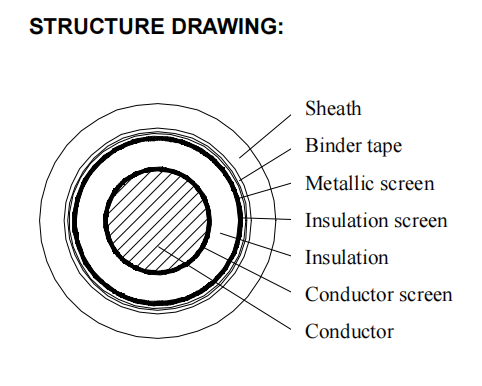
A key feature that distinguishes medium voltage cable design is the presence of a metallic screen. This component plays a crucial role in maintaining electrical safety and system stability during high-voltage power transmission.
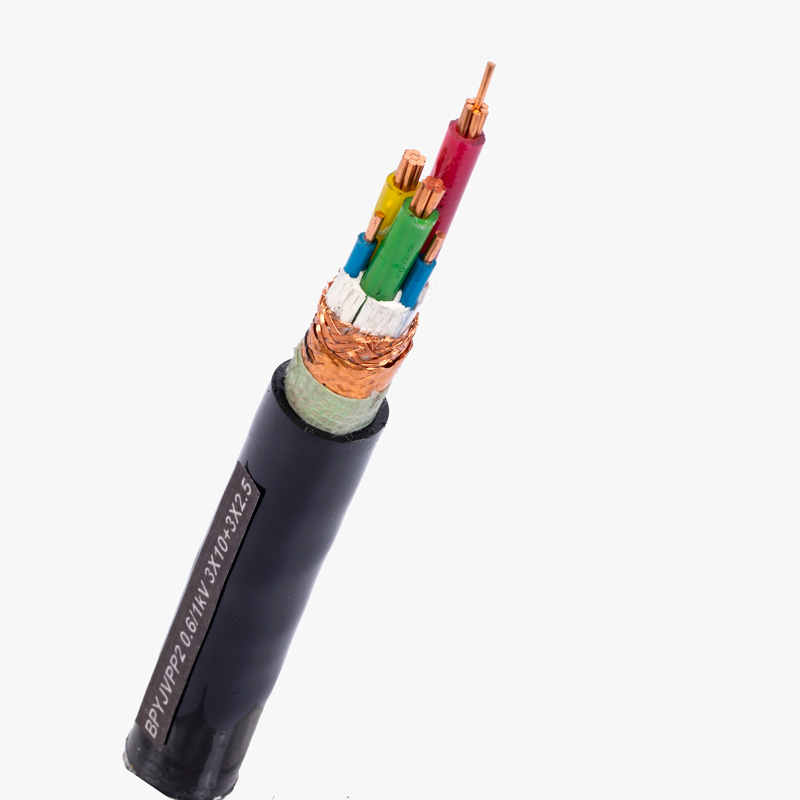
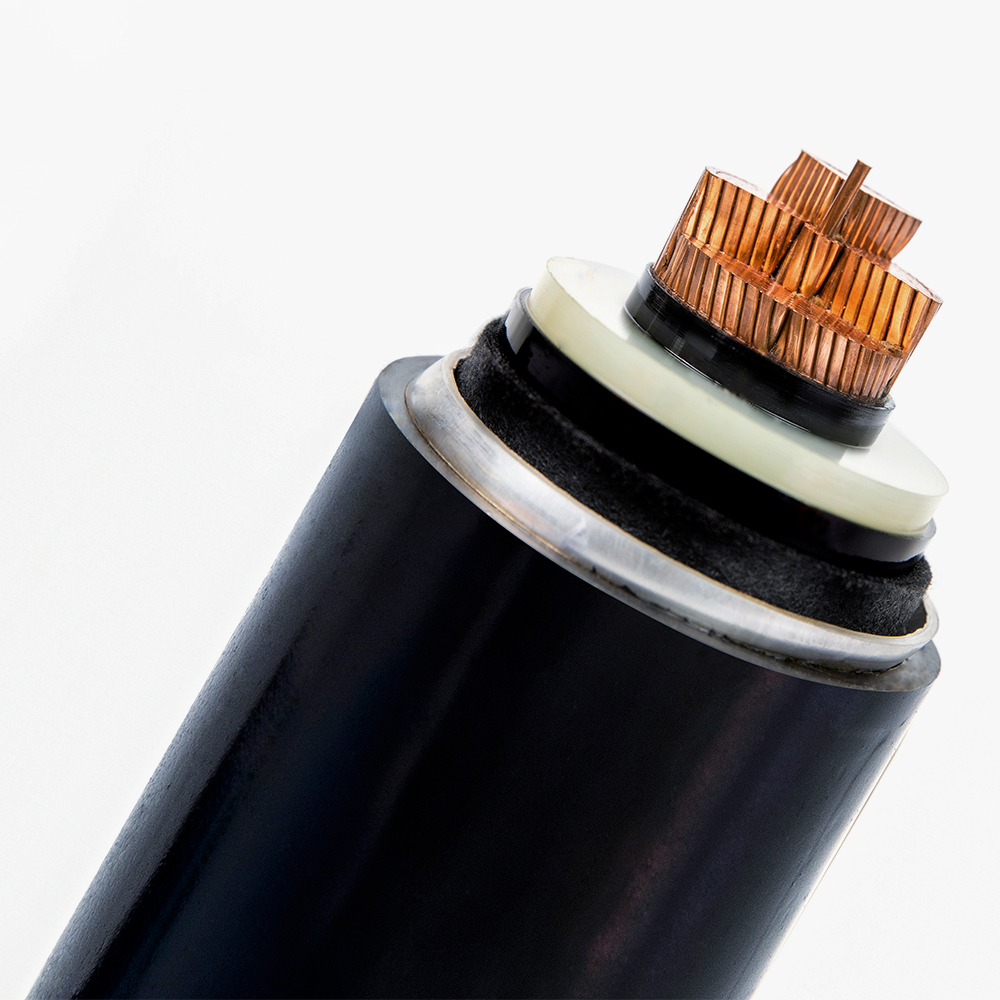
The metallic screen is typically made from copper tape, copper wire, or aluminum layers surrounding the insulation of the cable core. Its main purpose is to control the electric field distribution around the conductor and prevent electrical stress from damaging the insulation.
Without a metallic screen, medium voltage cables could experience uneven electric fields that lead to partial discharge, insulation breakdown, or long-term performance degradation. The screen also provides a path for fault current and improves electromagnetic shielding, which protects nearby equipment from interference.
In modern power distribution networks, especially those serving substations or industrial grids, the metallic screen is considered a critical part of the overall cable structure. Reliable manufacturers ensure precise installation of this layer during production to maintain consistent quality and electrical performance.
What Distinguishes LV and MV Cable Structures?
The most important difference between low voltage cable and medium voltage cable lies in their internal cable structure. While both types include conductors and insulation, medium voltage cables require additional layers to handle higher electrical stress.
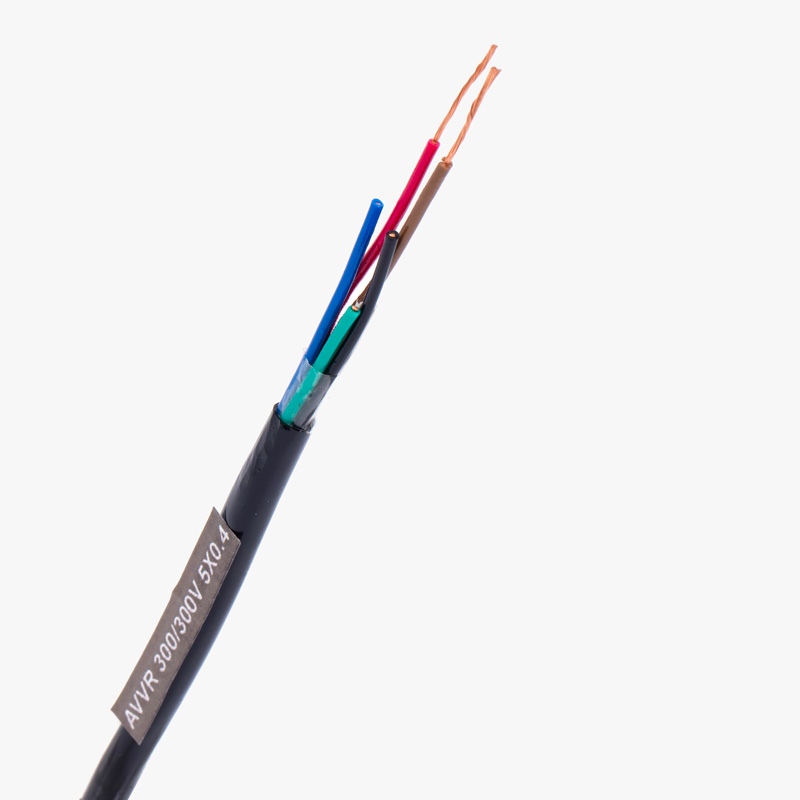
A typical low voltage cable usually includes a conductor, insulation layer, filler materials, inner sheath, and outer protective jacket. This relatively simple structure is sufficient for power distribution in residential buildings, commercial facilities, and light industrial environments.
In contrast, medium voltage cables have a more complex structure designed to ensure long-term reliability in power networks. Besides the conductor and insulation, they include conductor screens, insulation screens, and the previously mentioned metallic screen. These extra layers help control the electric field and prevent insulation failure under higher voltage conditions.
Medium voltage cables may also include water-blocking materials, armored protection, and specialized outer sheaths depending on installation requirements such as underground systems, substations, or power grid projects.
For contractors and distributors purchasing from a cable wholesaler, understanding these structural differences is essential when selecting the correct cable type. Working with an experienced supplier ensures that cables meet international standards and project specifications.
Conclusion
Both low voltage cable and medium voltage cable serve essential roles in modern power systems. Understanding their transmission limits, protective metallic screen, and differences in cable structure helps engineers and buyers choose reliable, efficient solutions for safe power distribution.