Are delays, inconsistent quality, and unreliable certificates holding back your cable projects?
Many buyers—especially those sourcing from developing regions—struggle with unstable cable quality, late delivery, and even falsified certifications. These problems often stem from weak production control and outdated equipment. Such issues can cause project delays, higher costs, or bidding failures. The solution lies in choosing an experienced manufacturer with full in-house production. With over 30 years of expertise and 10 production lines, QRUNNING provides dependable wholesale supply, strict quality management, and fully customisable OEM/ODM service for high-performance power cables.
Cable manufacturing includes raw material selection, conductive core production, insulation extrusion, shielding, sheath extrusion, testing, and final packaging.
This article explains every stage clearly so you can source with confidence and avoid costly mistakes.
Raw Material Selection
High-quality cable production begins with the careful selection of copper, aluminium, polymers, and additives. A reliable supplier prioritizes purity and consistency because conductive materials directly influence electrical performance, while insulation and sheath compounds determine safety and durability.
At QRUNNING, each batch of raw materials undergoes conductivity checks, tensile testing, and impurity analysis. For wholesaler and contractor projects, stable raw material quality ensures consistent performance across large volumes, reducing the risks of overheating, short circuits, or early cable failure.
Conductive Core Production
Wire Drawing
The first step is drawing copper or aluminium rods into fine wires using precision dies. Controlled tension and temperature prevent micro-cracks and guarantee uniform diameter.
Stranding
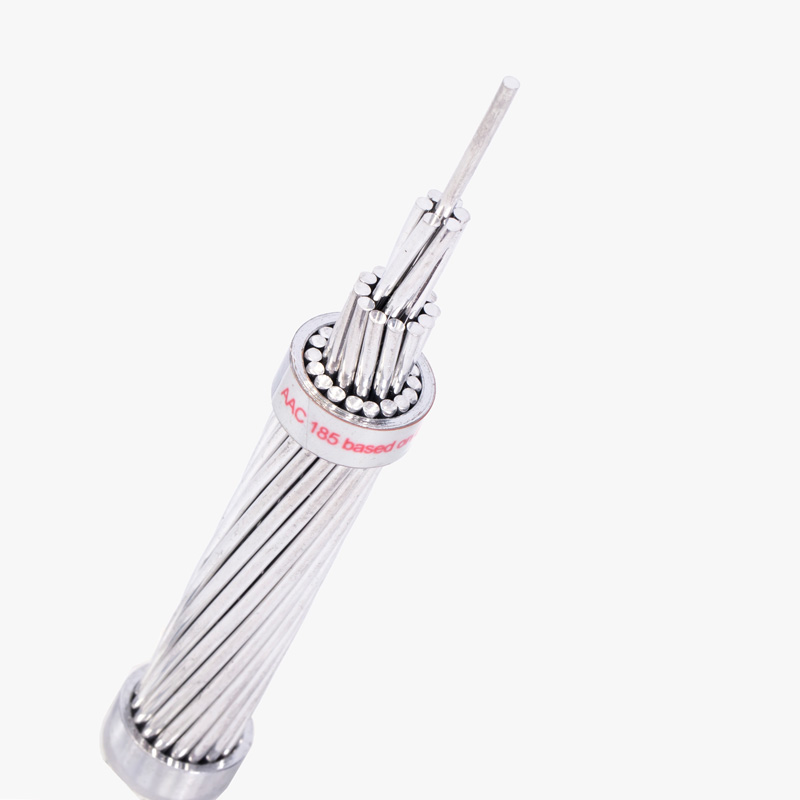
Multiple wires are then stranded into flexible, high-strength conductors. Different constructions—such as concentric, compacted, or sector-shaped—are used depending on voltage class and installation requirements.
A professional manufacturer ensures stable stranding tension, which improves conductivity and reduces electrical loss. QRUNNING’s automated lines guarantee reliable conductor geometry for medium- and high-voltage applications.
Insulation Extrusion
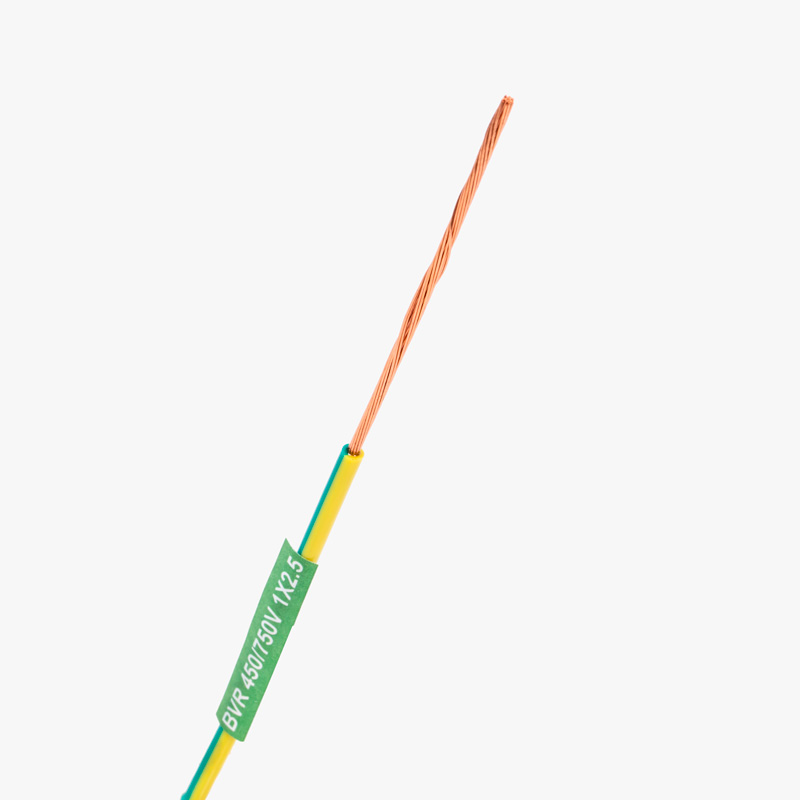
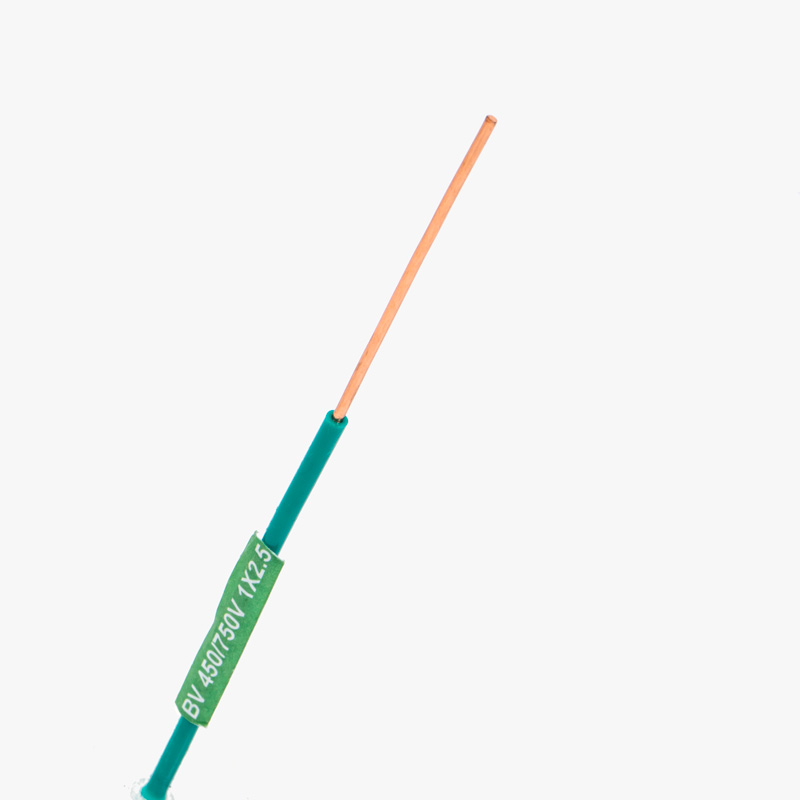
Extrusion forms a protective layer around the conductor using materials such as XLPE or PVC. This step is crucial because insulation defines the cable’s voltage rating, heat resistance, and lifespan.
Advanced extrusion equipment monitors temperature, pressure, and centering accuracy in real time. QRUNNING employs triple-layer extrusion for high-performance cables, ensuring uniform thickness and eliminating air gaps that could cause partial discharge.
Shielding Application
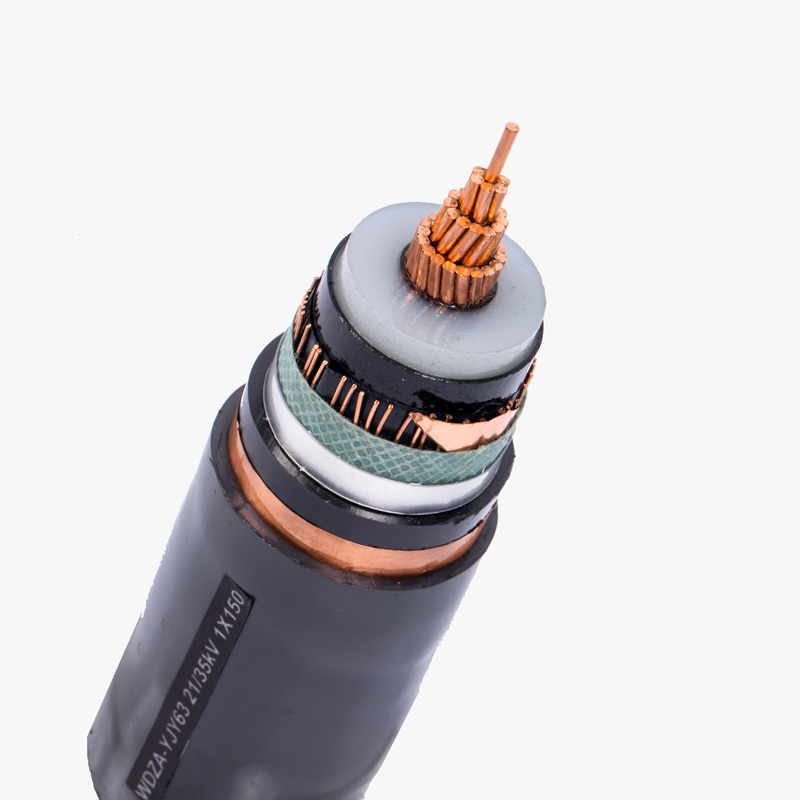
For medium- and high-voltage cables, shielding controls electric fields and improves safety. This typically includes semi-conductive layers and metallic shielding.
Semi-Conductive Shield
An inner and outer semi-conductive layer ensures smooth electric field distribution. Proper bonding with the insulation prevents internal discharge.
Metallic Shield
Copper tape or wires are applied to provide grounding continuity and fault protection. A quality-focused supplier maintains consistent tension and overlap during wrapping to avoid hot spots and field distortion.
Jacket Extrusion
The outer sheath protects the cable from moisture, chemicals, abrasion, and UV exposure. Common materials include PVC, PE, and LSZH formulations.
During extrusion, quality parameters such as thickness, adhesion, and surface finish are closely monitored. QRUNNING offers customisable jacket options to meet environmental, industrial, or fire-resistant requirements demanded by contractors and grid companies.
Quality Control and Testing
Every production stage is followed by mechanical, electrical, and dimensional testing. This includes high-voltage withstand tests, elongation, conductor resistance, spark testing, insulation eccentricity checks, and aging resistance evaluations.
QRUNNING adheres to IEC, BS, and local standards required in Africa and Southeast Asia. Certified laboratories and complete traceability systems ensure that clients never face the risk of counterfeit or unverified certificates—one of the biggest concerns for international buyers.
Final Assembly and Packaging
After verification, cables are cut, coiled, or drum-packed according to project needs. Proper packaging protects against transport damage and makes unloading easier at construction sites.
For wholesaler orders, QRUNNING provides reinforced export drums, moisture protection, clear labeling, and flexible loading plans to ensure smooth customs clearance and timely delivery.
Conclusion
Understanding each production stage helps you choose a trustworthy manufacturer and secure high-quality, long-lasting cables for your projects.