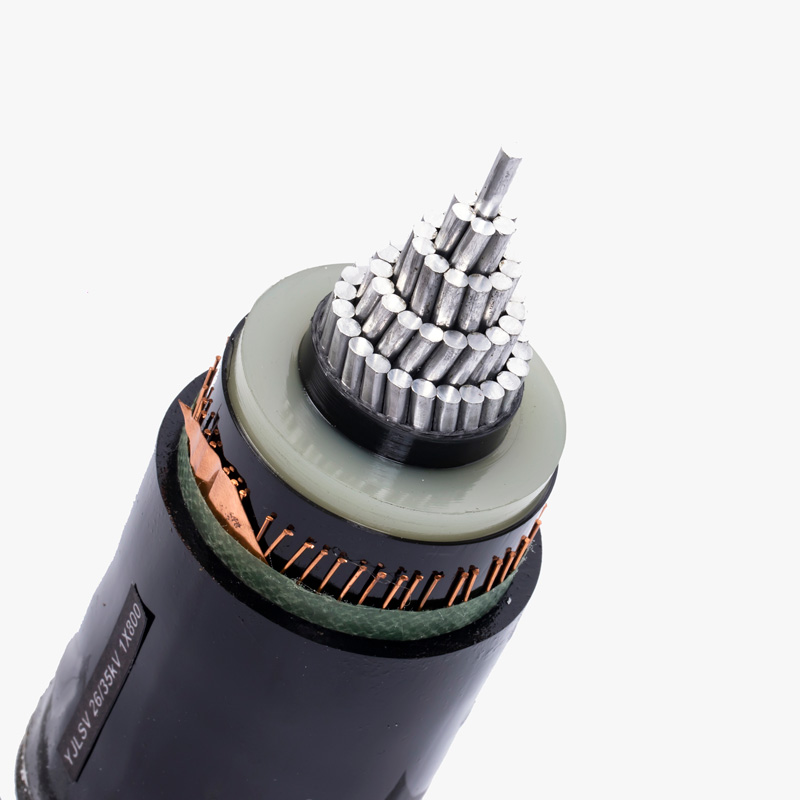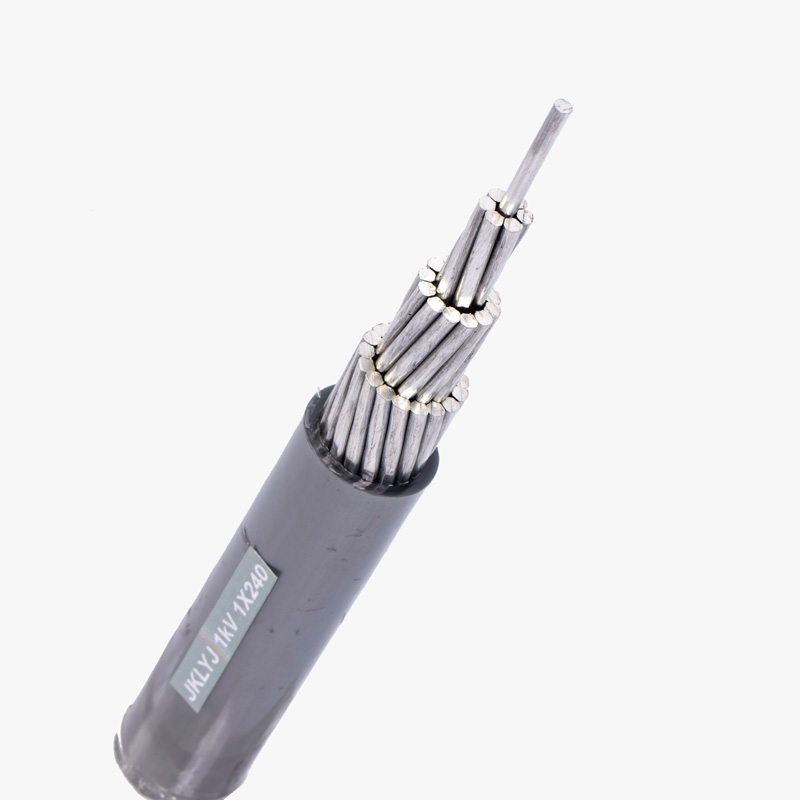
Why Does Metal or Cable Fail When Bent Too Much?
Have you ever faced unexpected cable damage or material cracks during installation? This common issue often arises from excessive bending stress—a force that occurs when materials like metal or electric cables are curved beyond their design limits. The result? Costly downtime, failed performance, and safety risks. As a leading manufacturer and supplier with over 30 years of experience, QRUNNING provides top-quality, customizable electric cables designed to resist bending stress. Our advanced production lines ensure precise strength control, minimizing deformation and ensuring long-lasting reliability for industrial and power projects.
In simple terms, bending stress is the internal force that develops within a material when it bends under load.
Understanding this concept helps engineers and buyers choose materials and cables that can handle their required performance without failure.
What is Bending Stress
Bending stress refers to the internal resistance a material experiences when an external load tries to bend it. It occurs because one side of the material is stretched while the other is compressed. This difference in tension and compression creates a stress distribution along the cross-section. In electric cables, improper bending during installation can cause conductor fatigue, insulation cracks, and eventual failure. For industrial users or project contractors, understanding bending stress ensures cables are installed with the right bending radius, preventing both electrical inefficiency and structural damage.
For a wholesaler or engineering contractor, ignoring bending stress can lead to repeated cable replacements, unexpected maintenance costs, and reduced project reliability. Choosing cables from a professional manufacturer like QRUNNING guarantees compliance with international standards and optimized flexibility for demanding environments.
Types of Bending Stress
There are two primary types of bending stress: tensile bending stress and compressive bending stress. Tensile stress occurs on the outer surface of a bent material, where fibers are stretched. Compressive stress acts on the inner surface, where fibers are pushed together. The neutral axis lies between these two regions, experiencing no stress. In electrical cables, this balance is crucial—too much tensile or compressive stress can cause micro-cracks or breaks within the conductor or insulation layers.
Different materials handle these stresses differently. For example, aluminum conductors may deform faster than copper under repetitive bending. That’s why professional suppliers and manufacturers perform bending tests to ensure optimal flexibility. At QRUNNING, our cable designs are optimized to reduce bending stress impact, improving performance under tight installation conditions.
How to Calculate Bending Stress
The standard formula for calculating bending stress is:
σ = M × y / I
Where:
- σ = Bending stress
- M = Applied bending moment
- y = Distance from the neutral axis to the outer fiber
- I = Moment of inertia of the cross-section
This formula helps engineers determine how much stress a material can safely handle. For cable products, the bending radius is often defined instead of a numerical stress value. Maintaining the correct bending radius ensures that internal conductors and insulation remain undamaged. As a reliable customizable cable manufacturer, QRUNNING provides detailed technical data, allowing buyers to calculate or verify proper installation parameters for every product type.
In real-world projects, bending stress calculation is not only about formulas—it’s about practical application. By partnering with an experienced supplier like QRUNNING, you receive expert support in choosing materials, verifying mechanical properties, and ensuring compliance with both IEC and ISO standards. This combination of engineering expertise and advanced production ensures that your investment delivers long-term value.
Summary
Bending stress defines how materials resist deformation when bent. Understanding and managing it ensures safer, longer-lasting products—especially when partnering with a trusted manufacturer like QRUNNING.