Are You Unsure Whether PVC Insulation Is the Right Choice for Your Electrical Cable Projects?
Are you a contractor, distributor, or equipment buyer wondering whether PVC insulation is suitable for your electrical cable applications? Many buyers struggle to select the correct insulation material because poor insulation can lead to overheating, electrical leakage, or reduced cable lifespan. In large power or construction projects, choosing the wrong material can result in costly maintenance and safety risks. The solution is understanding how PVC (Polyvinyl Chloride) works and selecting products from a reliable Manufacturer and experienced Supplier. With more than 30 years of industry expertise, QRUNNING provides high-quality and customizable cable insulation solutions designed for durability, safety, and stable electrical performance. As a trusted global Wholesaler, we combine strict quality control, advanced production lines, and international supply capabilities to support demanding infrastructure and electrical distribution projects.
PVC insulation is a protective layer made from Polyvinyl Chloride that surrounds electrical cables to prevent electrical leakage, mechanical damage, and environmental exposure. It is widely used because it offers durability, flexibility, affordability, and reliable electrical insulation, making it a popular material for power distribution and industrial wiring systems.
To better understand why this material is widely used in electrical systems, it is helpful to explore how PVC cable insulation works, why manufacturers rely on it, and what advantages or limitations it may have.
What Is PVC Wire Insulation?
Definition and Basic Structure
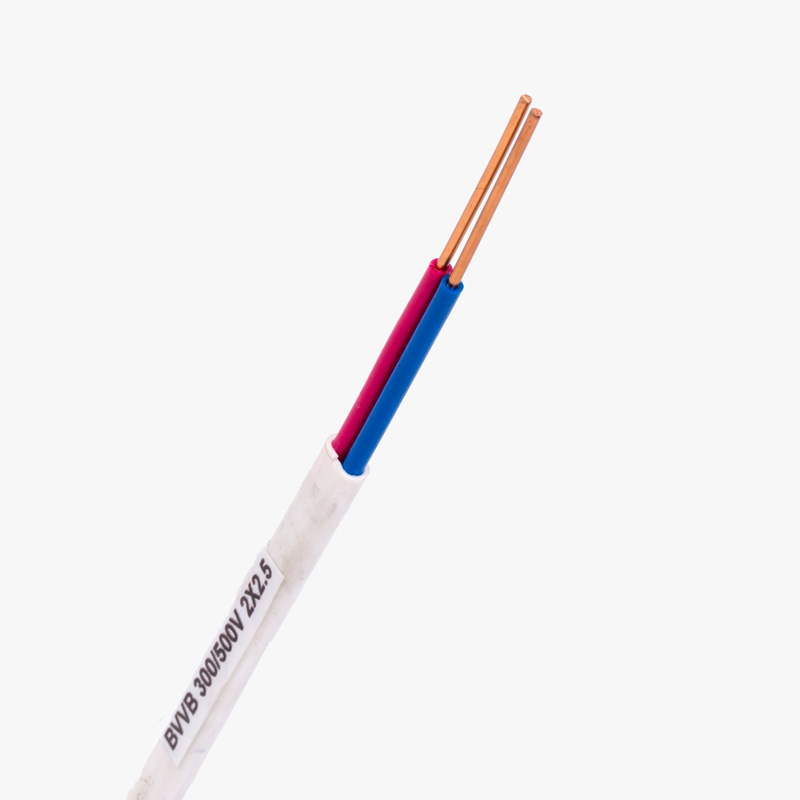
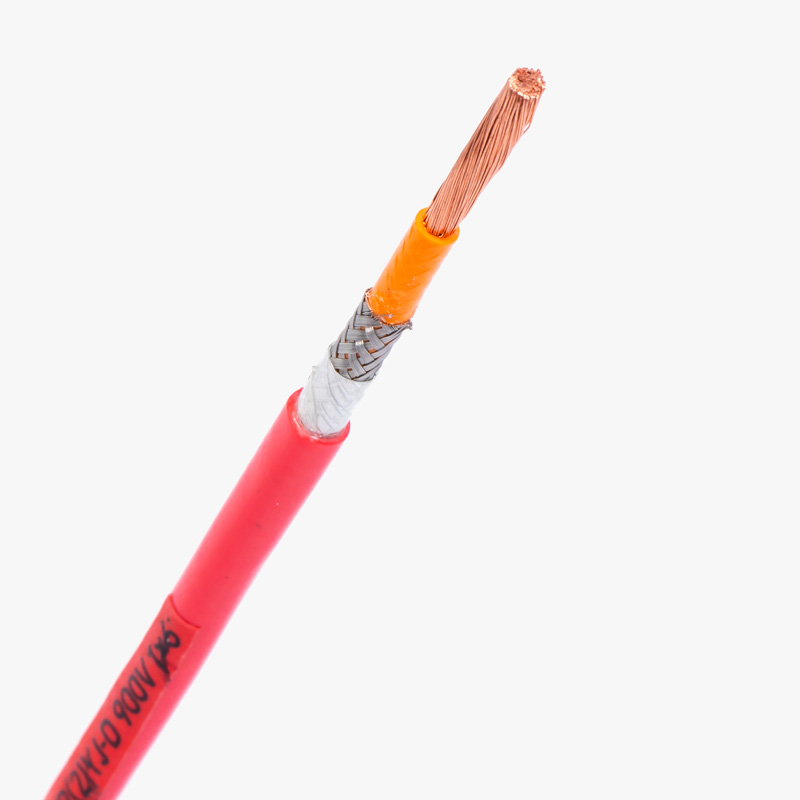
PVC wire insulation refers to a protective coating made from Polyvinyl Chloride that surrounds the conductor of an electrical cable. This layer prevents electricity from escaping the conductor while protecting the cable from moisture, chemicals, and mechanical wear. Because electrical systems often operate in challenging environments, high-quality insulation materials are essential for maintaining safety and consistent performance.
The insulation layer is typically applied during the cable manufacturing process through extrusion technology. The melted PVC compound is evenly coated around the conductor, creating a smooth and durable protective layer. Professional Manufacturers carefully control temperature, thickness, and material composition to ensure that each cable meets industry standards for insulation resistance and mechanical strength.
Applications in Electrical Systems
Due to its versatility, PVC insulation is widely used in building wiring, industrial equipment, low-voltage power cables, and control systems. Many contractors and distributors prefer sourcing from a reliable Supplier or international Wholesaler that can provide customizable specifications to match different voltage levels, conductor sizes, and installation environments.
As an experienced Manufacturer in the power cable industry, QRUNNING applies strict production standards and advanced testing methods to ensure that every insulated cable provides stable performance, durability, and long-term safety for global infrastructure projects.
Why Is PVC Used for Cable Insulation?
Excellent Electrical Insulation Performance
One of the primary reasons PVC is used in cable production is its strong electrical insulation properties. Polyvinyl Chloride effectively prevents electrical current from escaping the conductor, which reduces the risk of short circuits and improves overall system safety. This makes it an ideal material for many low- and medium-voltage cable insulation applications.
Durability and Environmental Resistance
Another important advantage is the durability of PVC insulation. It provides resistance against moisture, oils, chemicals, and physical abrasion. Electrical cables installed in industrial environments, construction sites, or outdoor infrastructure must withstand harsh conditions, and PVC performs well in these situations.
For international buyers, working with a professional Supplier ensures that the insulation materials meet required quality standards. Leading Manufacturers often provide customizable cable designs that adapt to different climate conditions, installation methods, and regulatory requirements.
Cost Efficiency and Manufacturing Flexibility
Compared with some advanced insulation materials, Polyvinyl Chloride is relatively cost-effective. Its manufacturing process is stable and scalable, allowing large-volume production without significantly increasing cost. This affordability makes PVC insulated cable a popular choice for wholesalers, distributors, and contractors managing large projects.
Advantages and Disadvantages of PVC Insulation
Main Advantages of PVC Cable Insulation
PVC insulation offers several benefits that make it widely used across the electrical industry. First, it provides reliable electrical insulation, ensuring safe power transmission within the cable. Second, it has excellent flexibility, allowing cables to bend and adapt during installation. Third, the material is resistant to corrosion, moisture, and many industrial chemicals.
Additionally, PVC can be easily modified by adding stabilizers, plasticizers, and flame-retardant additives. This allows Manufacturers to produce customizable insulation that meets specific safety standards, fire resistance requirements, or environmental conditions. For large-scale infrastructure projects, sourcing from an experienced Wholesaler or global Supplier ensures consistent quality and reliable delivery.
Potential Limitations of PVC Insulation
Despite its advantages, Polyvinyl Chloride also has some limitations. Compared with certain advanced insulation materials, PVC may have lower heat resistance and may not perform as well in extremely high-temperature environments. In high-voltage or specialized applications, other insulation materials may sometimes be preferred.
However, continuous innovation in material formulation has significantly improved the performance of modern PVC cable insulation. Leading Manufacturers now develop enhanced compounds that increase temperature resistance, flexibility, and environmental stability, making the material suitable for a wider range of electrical applications.
Conclusion
PVC insulation remains one of the most widely used materials for electrical cables due to its durability, affordability, and reliable insulation performance. Partnering with a trusted Manufacturer, Supplier, or global Wholesaler ensures access to high-quality and customizable cable solutions.