Are Overhead Electric Cables Harming the Environment More Than You Expect?
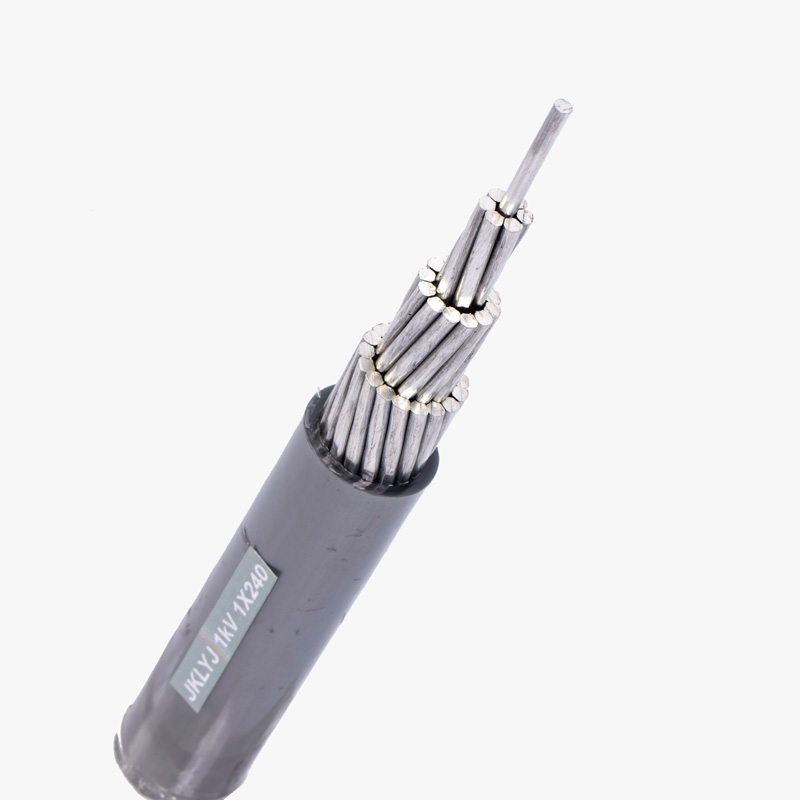
Are you, as a Wholesaler, utility contractor, or infrastructure buyer, concerned about the environmental impact of deploying overhead electric cable systems? Rapid urbanization, expanding power grids, and aging infrastructure often force decision-makers to prioritize cost and speed over ecology. This can result in landscape degradation, wildlife hazards, and public opposition, ultimately increasing project risk and long-term expenses. The solution is not to abandon overhead systems, but to optimize them. By working with an experienced Manufacturer like QRUNNING, buyers gain access to high-quality, Customizable ABC cable solutions engineered for durability, reduced environmental footprint, and improved wildlife protection, balancing energy delivery with ecological responsibility.
Overhead electric cables affect landscapes, wildlife, and local sound environments. However, modern designs, proper routing, and environmentally optimized materials allow utilities and Suppliers to significantly reduce environmental impact while maintaining reliable power distribution.
To understand how sustainable overhead systems are achievable, it is essential to explore where environmental challenges arise and how modern cable solutions address them.
Introduction: Balancing Energy Needs and Ecological Concerns
The global demand for electricity continues to rise as populations grow and industries expand. Overhead electric cable networks remain one of the most cost-effective and scalable methods for power transmission, particularly in developing regions. However, their widespread deployment has raised concerns regarding environmental impact, pushing governments, utilities, and Suppliers to seek better solutions.
Balancing energy reliability with ecological preservation requires a strategic approach. Advances in ABC cable technology, insulation materials, and structural design allow Manufacturers to produce safer, longer-lasting, and more environmentally responsible products. For Wholesalers and contractors, choosing Customizable overhead systems adapted to terrain and climate is a critical step toward sustainable infrastructure development.
Visual and Landscape Intrusion
Impact on Natural and Urban Landscapes
One of the most visible environmental concerns associated with overhead electric cable installations is their effect on landscapes. Towers, poles, and suspended lines can disrupt scenic views, alter cultural heritage sites, and reduce the aesthetic value of urban and rural environments. This visual intrusion often leads to public resistance and regulatory challenges.
Modern solutions focus on minimizing visual impact through optimized routing, compact pole designs, and insulated ABC cable systems that require fewer support structures. By collaborating with a professional Manufacturer, project developers can implement Customizable designs that blend more effectively with surroundings, reducing long-term social and environmental costs.
Role of Design and Planning
Effective planning plays a key role in reducing landscape disruption. Strategic alignment, vegetation management, and appropriate color treatments help overhead systems integrate more naturally. Experienced Suppliers provide technical guidance that enables utilities to meet both functional and environmental goals without compromising system reliability.
Impact on Wildlife: Collisions, Electrocution, and Habitat Fragmentation
Risks to Birds and Animals
Wildlife protection is a major concern in overhead power transmission. Birds are particularly vulnerable to collisions with cables and electrocution on poorly insulated lines. Additionally, the construction of overhead corridors can fragment habitats, disrupting migration routes and breeding grounds.
Advanced ABC cable designs significantly reduce these risks by insulating conductors and minimizing exposed components. Leading Manufacturers now offer Customizable solutions that incorporate bird diverters, enhanced insulation, and safer pole configurations. For environmentally sensitive projects, selecting the right Supplier can directly influence ecological outcomes.
Long-Term Ecological Benefits
By adopting wildlife-friendly overhead systems, utilities not only comply with environmental regulations but also reduce maintenance costs associated with outages caused by animal interference. This approach demonstrates that responsible infrastructure development and reliable power supply can coexist.
Noise and Auditory Disturbance from High-Voltage Lines
Sources of Noise Pollution
High-voltage overhead electric cable systems can generate audible noise, especially under humid or rainy conditions. Corona discharge and vibration may create humming or crackling sounds, affecting nearby communities and wildlife. Over time, this auditory disturbance can contribute to stress and reduced habitat quality.
Technological improvements in conductor surface design and insulation materials have helped mitigate these effects. High-quality ABC cable products manufactured under strict quality control standards exhibit lower noise emissions, supporting quieter and more environmentally friendly power networks.
Mitigation Through Quality and Maintenance
Routine inspection and proper installation are essential for minimizing noise-related environmental impact. Trusted Wholesalers and Suppliers ensure consistent product quality and technical support, enabling long-term performance stability and reduced disturbance.
Conclusion
With thoughtful design, advanced ABC cable technology, and collaboration with a reliable Manufacturer, the environmental impact of overhead electric cable systems can be effectively reduced while ensuring dependable power delivery.