Are You Struggling to Install XLPE Insulated Control Cable Correctly?
Many engineers face delays, failures, or electrical safety risks because the cable was pulled too tightly, routed incorrectly, or tested improperly. Such mistakes increase downtime and maintenance costs. As a leading manufacturer, wholesaler, and long-term supplier of XLPE insulated control cable, QRUNNING provides reliable guidance and customisable solutions to ensure smooth installation. With 30+ years of experience and strict quality control, we help you reduce risks and achieve stable project performance.
To install XLPE insulated control cable correctly, follow proper planning, use approved tools, apply safe pulling techniques, and conduct an insulation resistance test before commissioning. This ensures long service life, consistent performance, and full electrical safety compliance.
Continue reading to learn practical steps, avoid costly mistakes, and ensure every cable installation meets high-performance standards.
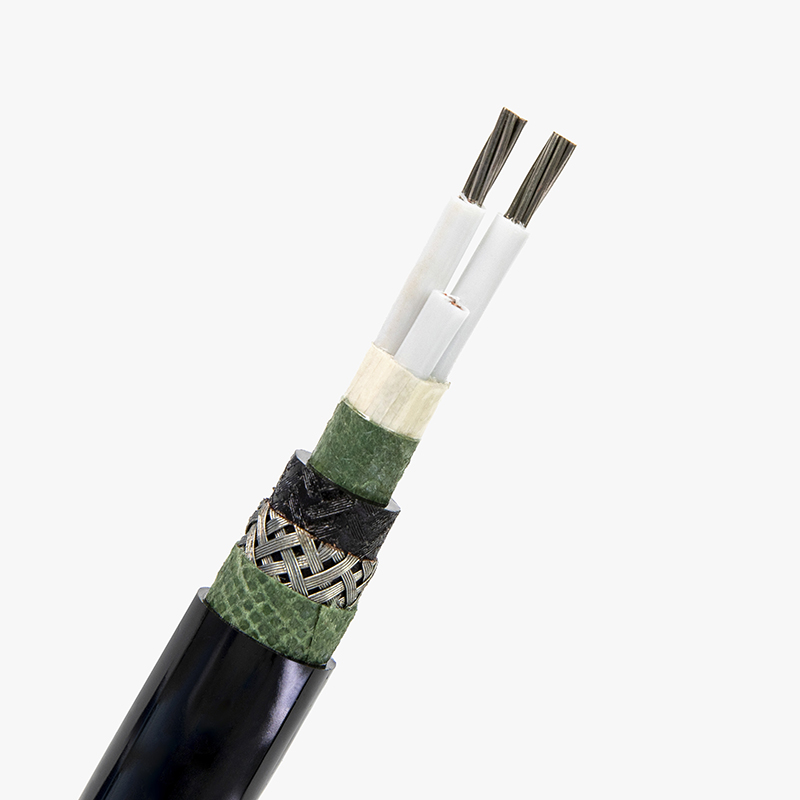
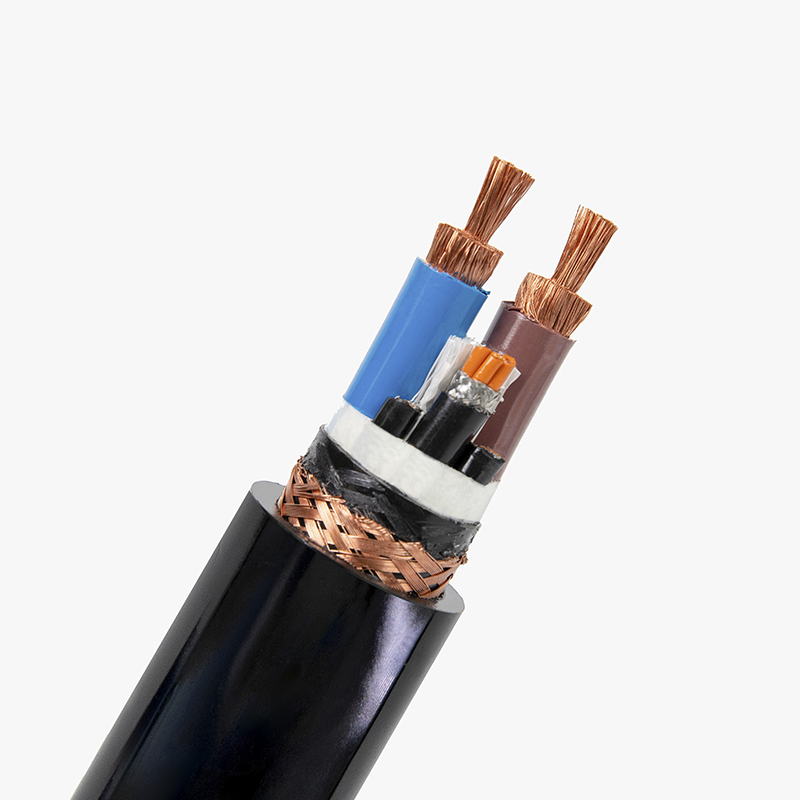
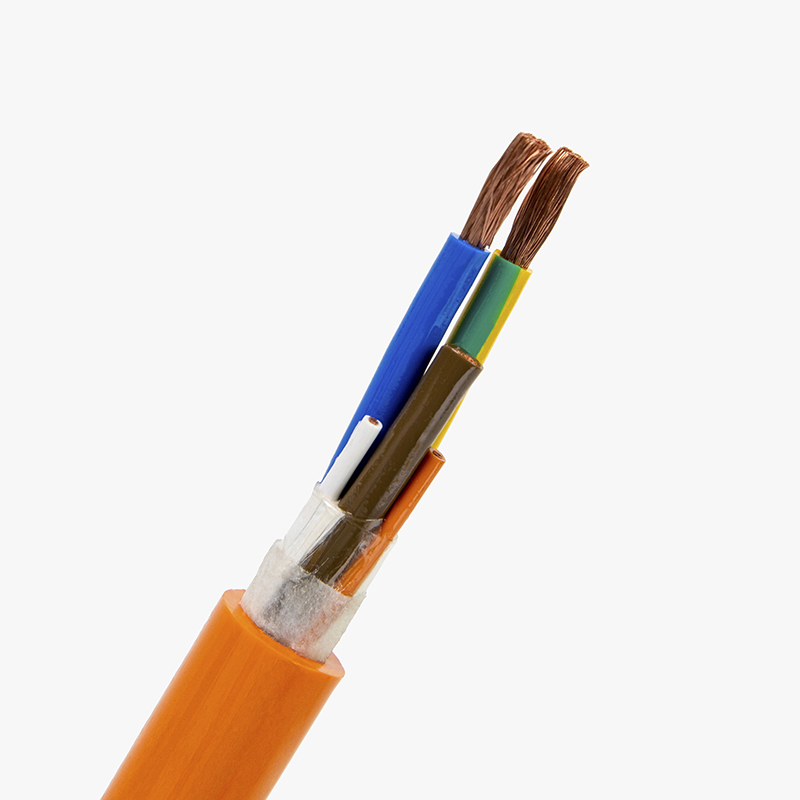
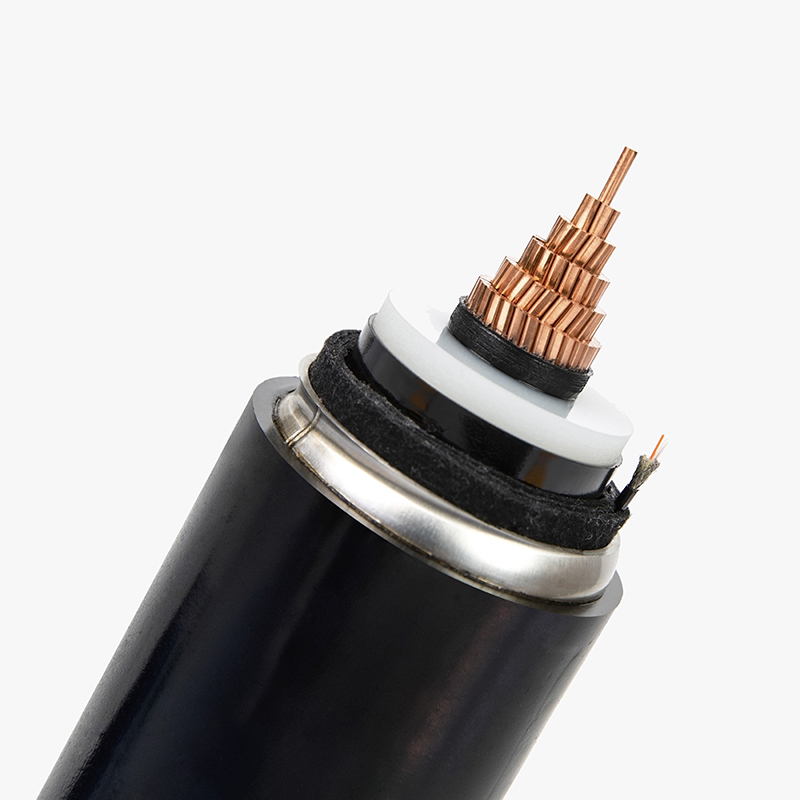
Related products:XLPE Insulation Control Cable – Qrunning is manufacturer of wires and cables in china
Pre-Installation Planning and Cable Selection
Correct installation starts long before any cable is pulled. Project planners must evaluate load requirements, routing paths, environmental conditions, and voltage levels. Choosing the right XLPE insulated control cable is essential because XLPE offers excellent thermal stability, mechanical strength, and moisture resistance. However, wrong sizing or inadequate shielding can lead to overheating, interference, or long-term operational failures.
| Assessment Factor | What to Check | Why It Matters |
|---|---|---|
| Load Requirements | Identify expected current, control signal type, and system operating conditions. | Ensures the cable size, conductor material, and insulation rating match the operational demand. |
| Routing Path | Check cable tray design, distance, bending radius, duct capacity, and obstacles. | Prevents excessive tension, sharp bends, and physical damage during installation. |
| Environmental Conditions | Evaluate temperature, humidity, chemical exposure, UV levels, and mechanical stress risks. | Helps determine whether additional protection, shielding, or special sheath materials are needed. |
| Voltage Levels | Confirm system voltage, insulation category, and compatibility with other circuit types. | Prevents insulation breakdown and ensures the cable meets safety and performance standards. |
Work only with an experienced manufacturer or supplier capable of providing certified products, technical datasheets, and customisable cable designs. This reduces the risk of mismatched specifications and ensures compatibility with local standards, especially in large construction or power engineering projects. QRUNNING supports engineers by providing professional guidance and reliable documentation to streamline the planning stage.
Essential Tools and Safety Precautions for Cable Installation
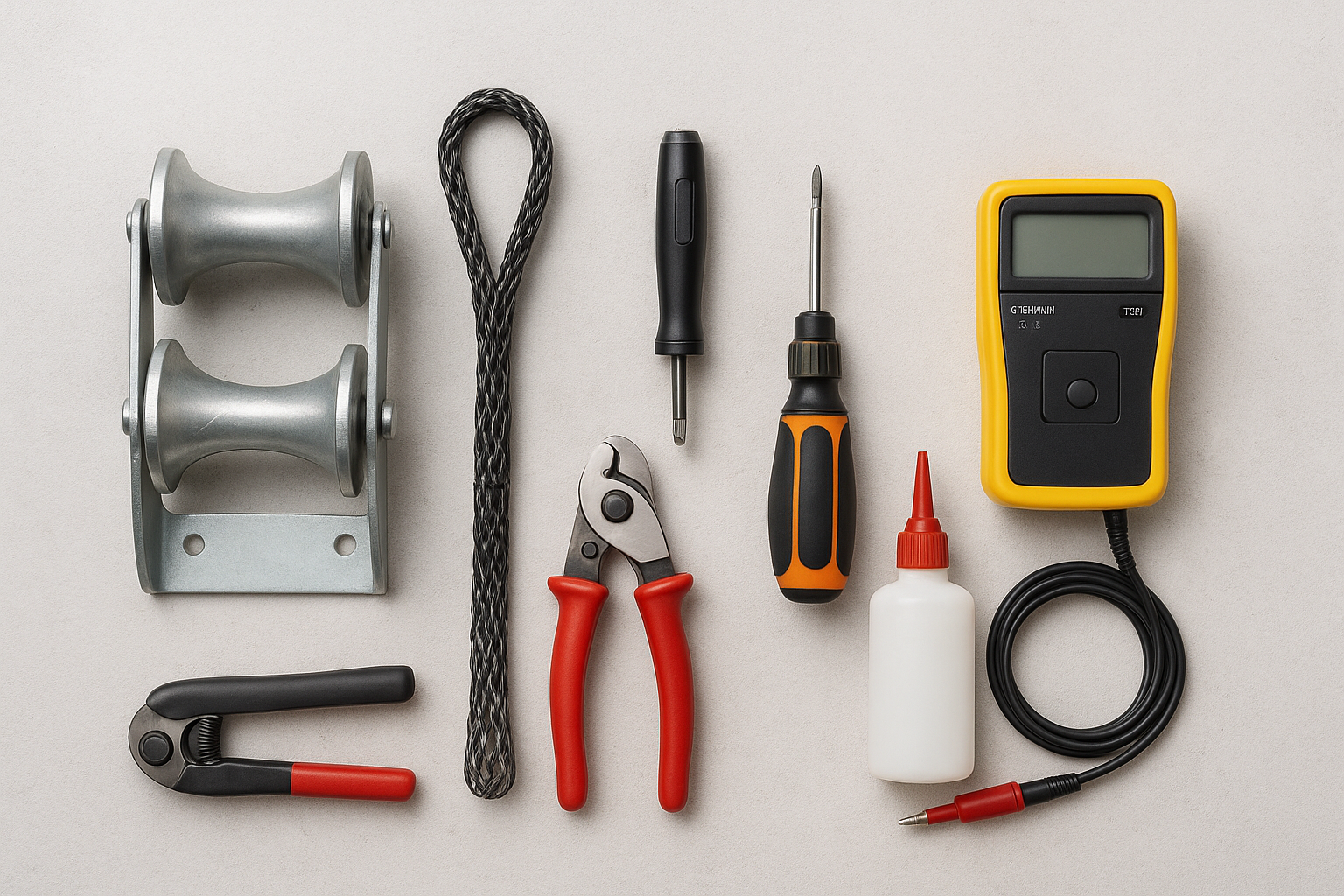
Before installation begins, prepare essential tools such as cable rollers, pulling grips, torque-controlled screwdrivers, cable cutters, lubricants approved for XLPE sheaths, and continuity testers. Using the correct equipment protects the outer sheath from scratches, deformation, and excessive pulling force.
Equally important is maintaining electrical safety throughout the process. Workers must wear insulated gloves, safety helmets, and protective eyewear, especially when operating near live circuits or metallic structures. Follow lockout–tagout procedures to ensure circuits remain de-energised during installation. Proper safety planning not only protects personnel but also prevents accidental damage to the cable insulation and accessories.
Step-by-Step Guide to Pulling and Routing XLPE Control Cables
Begin by inspecting the cable drum for factory seals, drum condition, and directional indications. Mount the drum on a stable stand that allows smooth rotation. When pulling the XLPE insulated control cable, maintain controlled tension and avoid sharp bends. Use rollers along the floor or tray to minimise friction. Cable lubricants may be applied when routing through ducts or long horizontal paths.
Once the cable reaches the termination point, ensure the bending radius follows the manufacturer’s recommended minimum. Excessive bending can damage the XLPE insulation, reducing long-term reliability. Secure the cable with non-metallic straps and route it clear of heat sources or vibration zones. A clean, organised routing system supports easier maintenance and reduces the risk of accidental interference during future upgrades.
Importance of Cable Testing and Commissioning After Installation
After installation, a thorough insulation resistance test verifies whether the XLPE insulation remains intact and free from mechanical or moisture-related defects. This is one of the most critical steps for ensuring electrical safety before energising the system. Use calibrated instruments and follow recognised testing standards for accurate results.
In addition to insulation testing, check continuity, conductor identification, shielding integrity, and termination torque values. Document all results for project records and future audits. A reputable supplier or manufacturer should provide recommended test values and technical support to help contractors complete commissioning confidently.
Common Installation Mistakes and How to Avoid Them
Common errors include exceeding allowable pulling tension, bending the cable too tightly, routing cables near heat sources, or ignoring drum directional arrows. Such mistakes reduce the operational lifespan of the XLPE insulated control cable and may cause insulation cracks or poor signal transmission.
Another frequent issue is skipping or improperly conducting the insulation resistance test, which leaves hidden defects undetected. Using uncertified tools or working with inexperienced subcontractors can also compromise electrical safety. To avoid these pitfalls, choose a trusted wholesaler or manufacturer like QRUNNING, where quality assurance, technical guidance, and customisable solutions are available throughout the entire project cycle.
Correct installation ensures long-term reliability, reduces maintenance costs, and enhances overall electrical safety for XLPE insulated control cable systems.